How to Recognize and Adapt to Changing Market Behavior
Posted On - March 8, 2026 | By - FXProfitBuilder | Categories - Behavioral Patterns
One of the biggest mistakes traders make is assuming the market will always behave the same way.
But the truth is simple:
Markets constantly change.
A strategy that works perfectly in trending conditions may fail completely in ranging markets.
Successful traders don’t fight change
They recognize it early and adapt.
Let’s break it down.
🔄 Why Market Behavior Changes
Forex markets shift due to:
- Economic data releases
- Central bank decisions
- Geopolitical events
- Liquidity cycles
- Institutional positioning
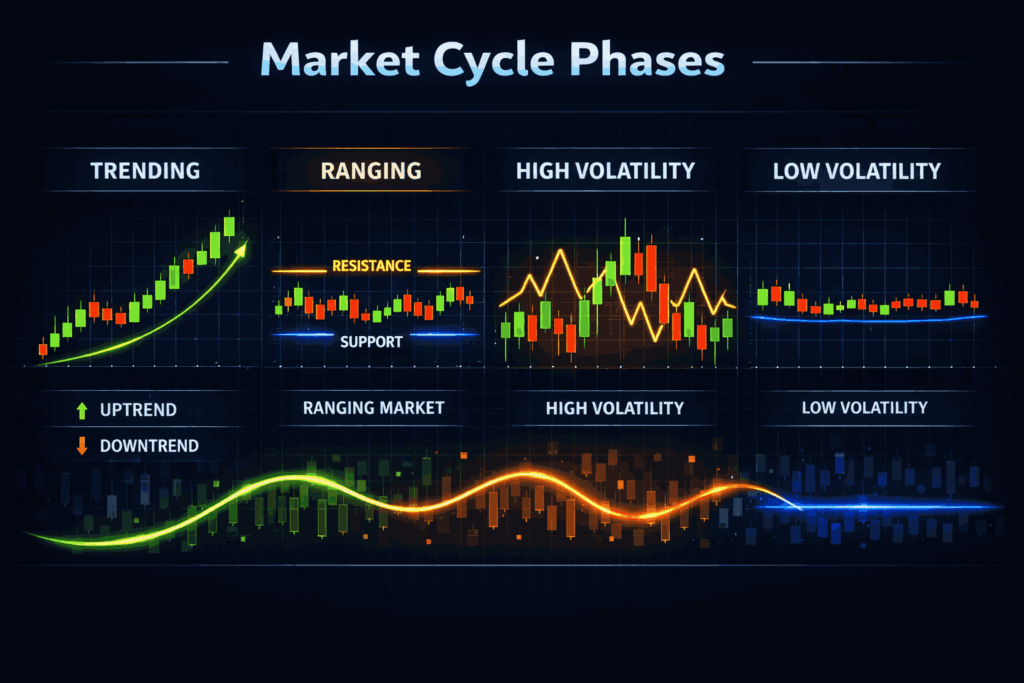
The market alternates between:
- Trending phases
- Ranging phases
- High volatility periods
- Low volatility periods
Recognizing these shifts is critical.
📈 1️⃣ Identifying Trending Markets
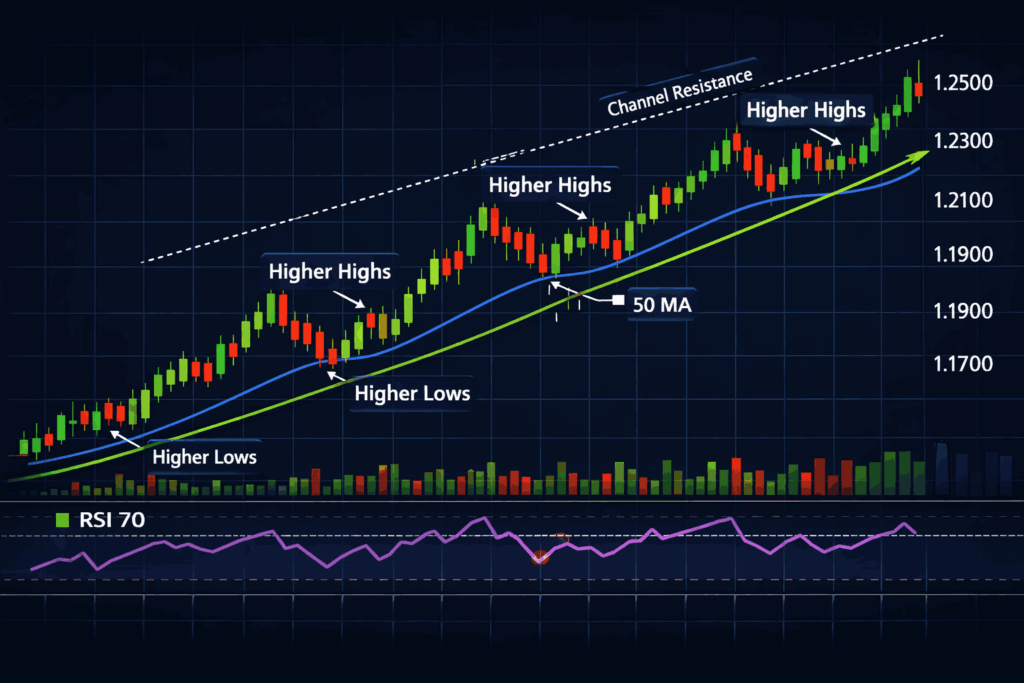
A trending market typically shows:
- Higher highs and higher lows (uptrend)
- Lower highs and lower lows (downtrend)
- Strong momentum candles
- Clear directional bias
In trending markets:
- Breakout strategies work well
- Trend-following indicators perform better
- Pullback entries offer strong risk-reward setups
📉 2️⃣ Recognizing Ranging Markets
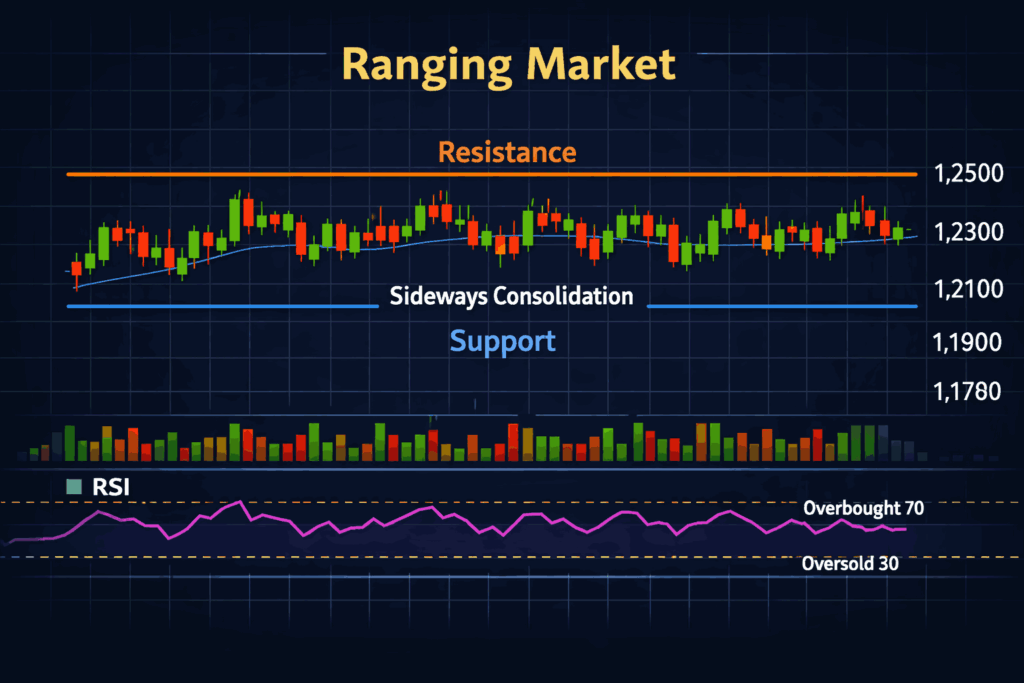
A ranging (sideways) market shows:
- Price bouncing between support and resistance
- Weak follow-through after breakouts
- Frequent fake moves
In ranging markets:
- Breakout strategies often fail
- Mean-reversion setups work better
- Smaller profit targets are safer
Understanding the difference saves capital.
⚡ 3️⃣ Spotting Volatility Shifts
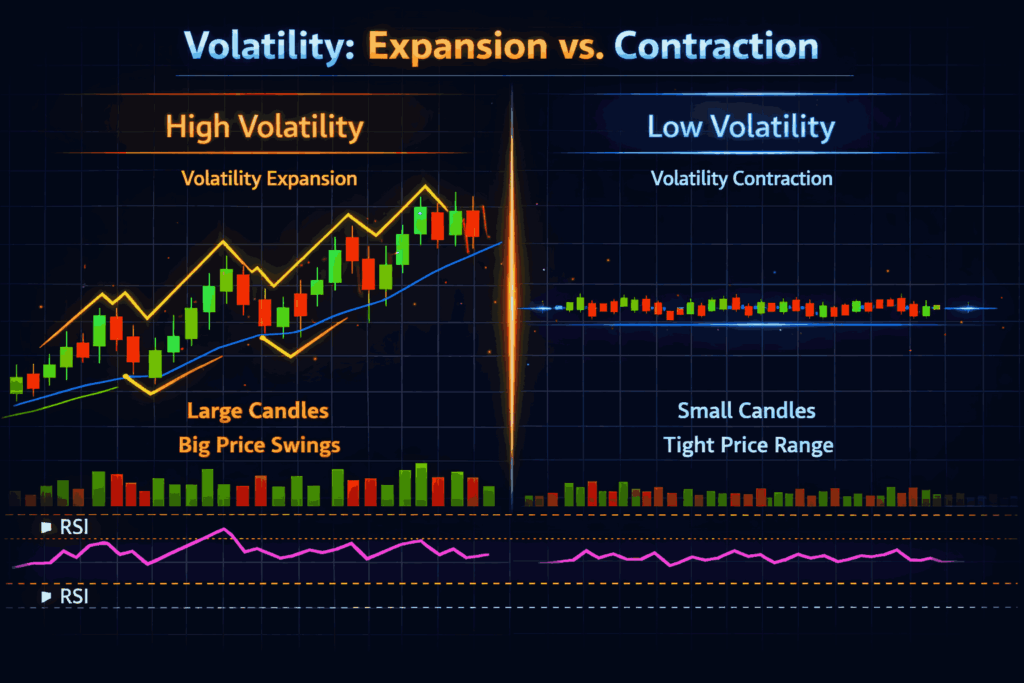
Volatility expansion:
- Larger candles
- Fast price movements
- Wider stop-loss requirements
Volatility contraction:
- Small candles
- Slow movement
- False breakouts increase
Adapting risk management is key.
🧠 4️⃣ Adjusting Your Strategy Accordingly

Instead of blaming your system during losses, ask:
- Has volatility changed?
- Is the market ranging instead of trending?
- Are news events affecting structure?
Professional traders adjust:
- Position size
- Stop-loss distance
- Entry timing
- Trade frequency
Flexibility improves survival.
🎯 5️⃣ How Structured Systems Help During Market Changes
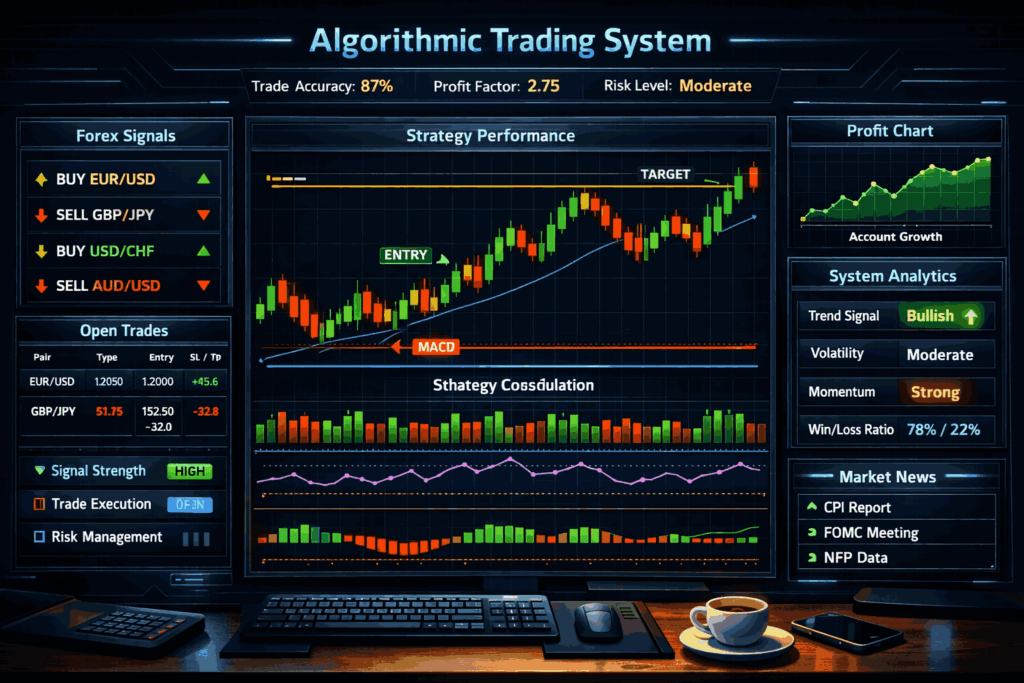
When using a disciplined signal-based approach like FXProfitBuilder:
- You avoid emotional over-adjustment
- You follow structured trade logic
- You maintain consistent risk management
The key is not constant strategy switching
It’s controlled adaptation.
⚠️ Common Mistakes During Market Shifts

- Forcing trades during choppy conditions
- Increasing lot size to recover losses
- Abandoning a strategy after a short drawdown
- Ignoring economic events
- Overtrading during low volatility
These behaviors drain accounts quickly.
🛠️ Practical Ways to Adapt
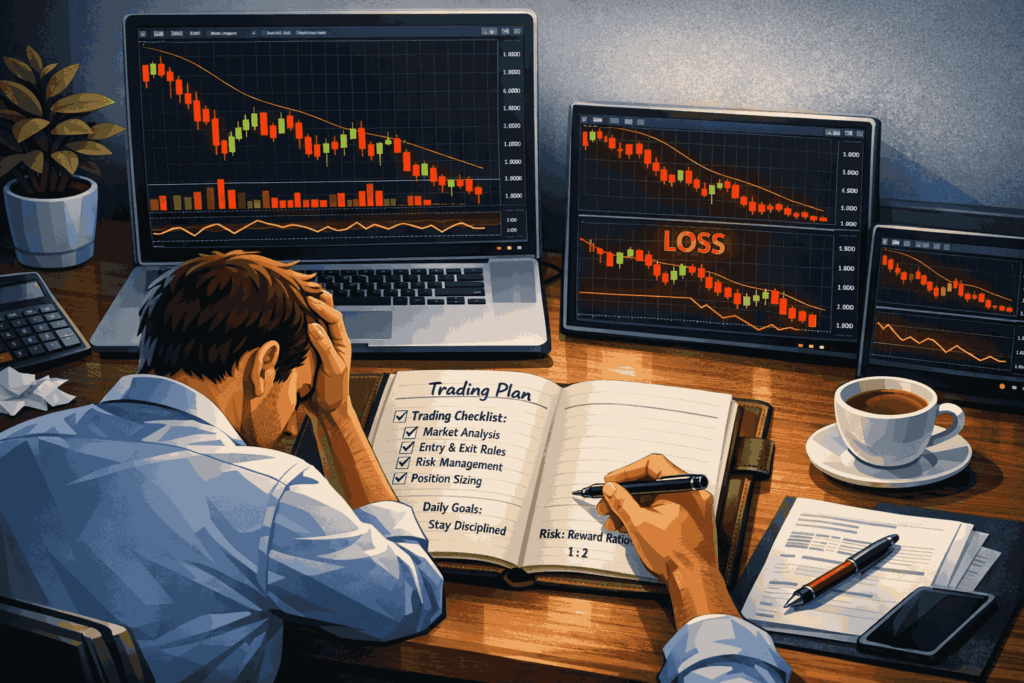
Here’s a simple framework:
Step 1: Identify current market condition (trend or range).
Step 2: Reduce risk during uncertain transitions.
Step 3: Wait for confirmation before increasing exposure.
Step 4: Keep journaling to track performance across conditions.
Adaptation is controlled not emotional.
🔚 Final Thoughts

The market doesn’t owe consistency.
It evolves.
It shifts.
It surprises.
Traders who survive long-term are not the smartest
They are the most adaptable.
If you learn to recognize changing behavior early and adjust calmly,
you move from reactive trader to professional operator.
❓ FAQs

Q1: How do I know if my strategy stopped working?
Check if market conditions changed before assuming the strategy failed.
Q2: Should I change strategies often?
No. Adapt risk and execution before changing systems.
Q3: What is the hardest market condition to trade?
Choppy, low-volatility ranges cause many false signals.
Q4: Does volatility affect position size?
Yes. Higher volatility often requires smaller position sizes.
Q5: Can beginners adapt effectively?
Yes, by keeping risk small and observing market structure carefully.
👉 Start your journey today—subscribe to our forex pip tips service and see the difference for yourself! Sign Up to get Exclusive Offers