How to Read a Forex Signal: Entry, Stop Loss and Take Profit
Posted On - July 26, 2026 | By - FXProfitBuilder | Categories - Understanding Forex Signals
Introduction
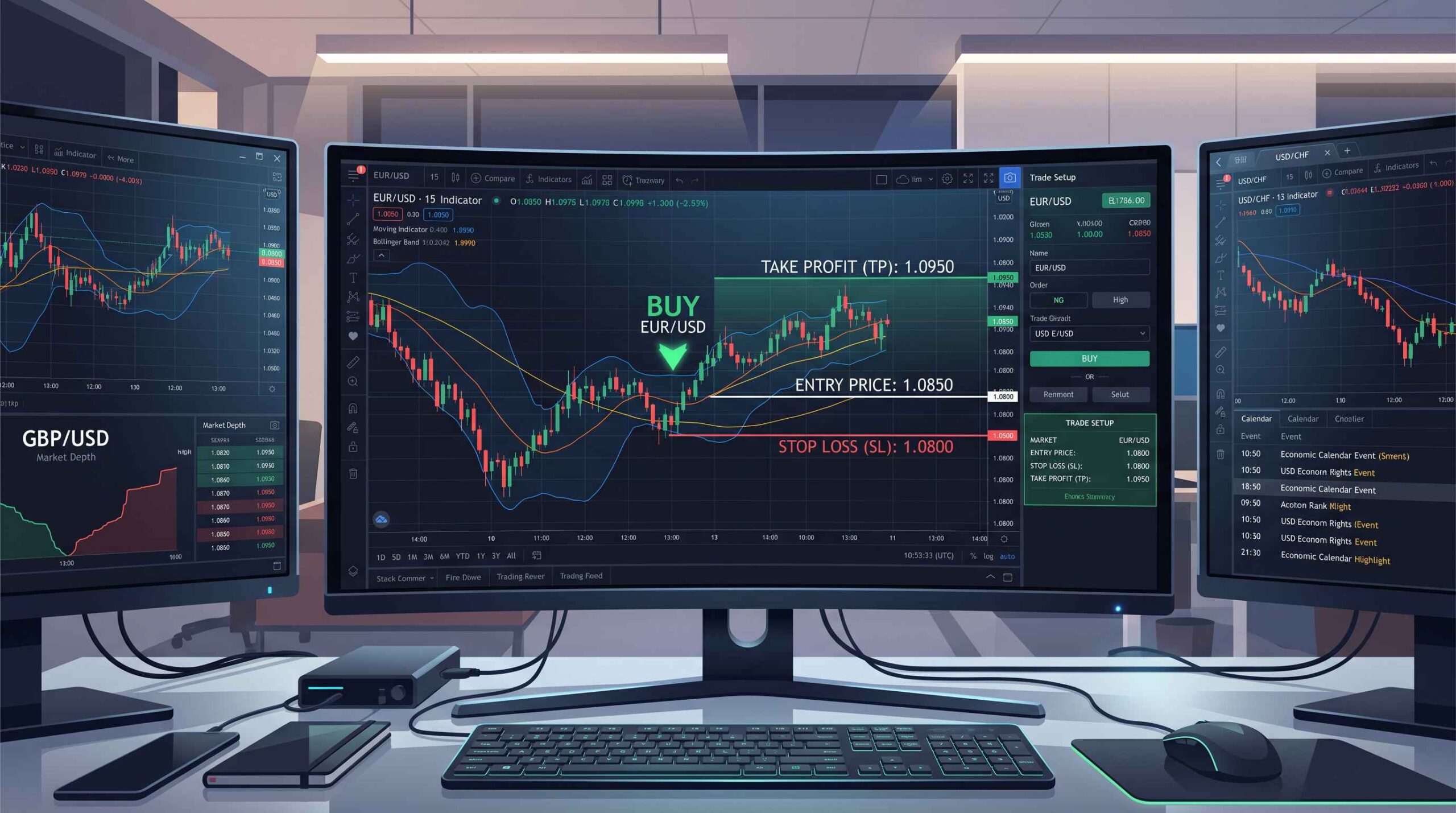
Receiving a Forex signal is only the first step. To trade successfully, you also need to understand how to read and follow the information provided.
If you’ve ever seen a Forex signal containing an entry price, Stop Loss, and Take Profit, you may have wondered what each part means and how they work together.
The good news is that reading a Forex signal is much easier than many beginners expect.
At FXProfitBuilder, every signal is designed to be clear, structured, and easy to follow. Our analysts provide precise trading instructions so members can focus on disciplined execution rather than spending hours analysing charts.
What Is a Forex Signal?

A Forex signal is a professional trading recommendation that provides traders with all the essential information needed to place a trade.
A typical Forex signal includes:
- Currency pair
- Buy or Sell direction
- Entry price
- Stop Loss
- Take Profit
- Trade management instructions
Each part plays an important role in managing both opportunities and risk.
Step 1: Identify the Currency Pair
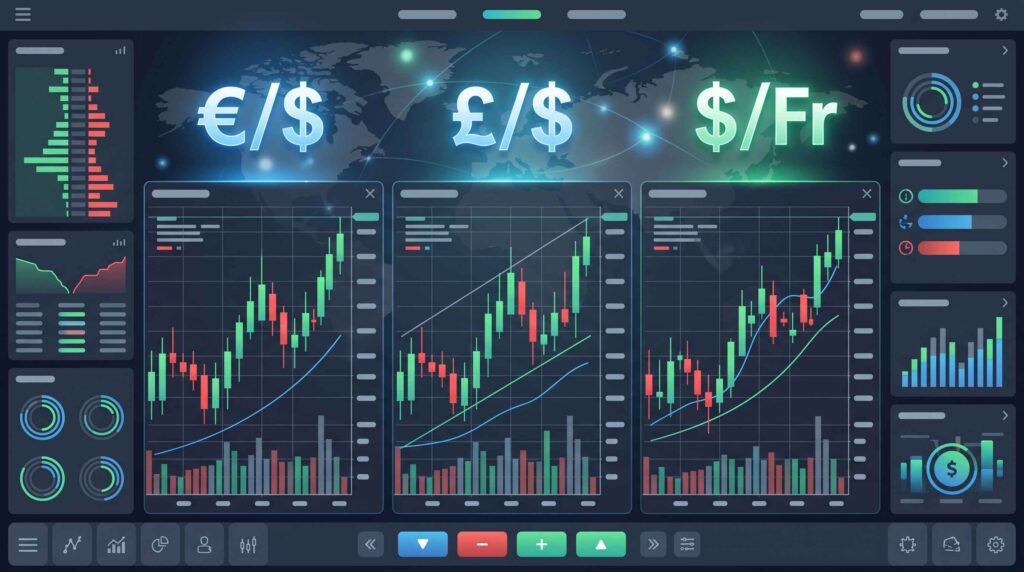
The first thing you’ll notice is the currency pair being traded.
For example:
- EUR/USD
- GBP/USD
- USD/CHF
FXProfitBuilder focuses on these three major currency pairs because they offer high liquidity, consistent market activity, and excellent trading opportunities.
Step 2: Understand the Trade Direction
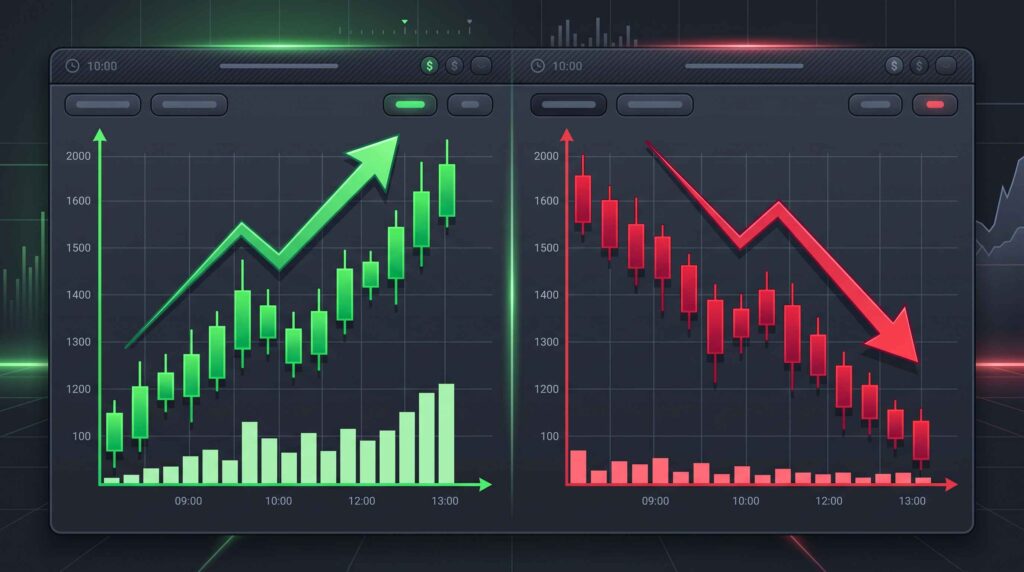
Every signal tells you whether to:
Buy (Long)
A Buy signal means the analysis suggests the currency pair may increase in value.
You would enter the trade expecting the market to rise.
Sell (Short)
A Sell signal means the analysis suggests the currency pair may decline.
You would enter the trade expecting the market to fall.
Knowing the direction removes much of the uncertainty for beginners.
Step 3: Read the Entry Price
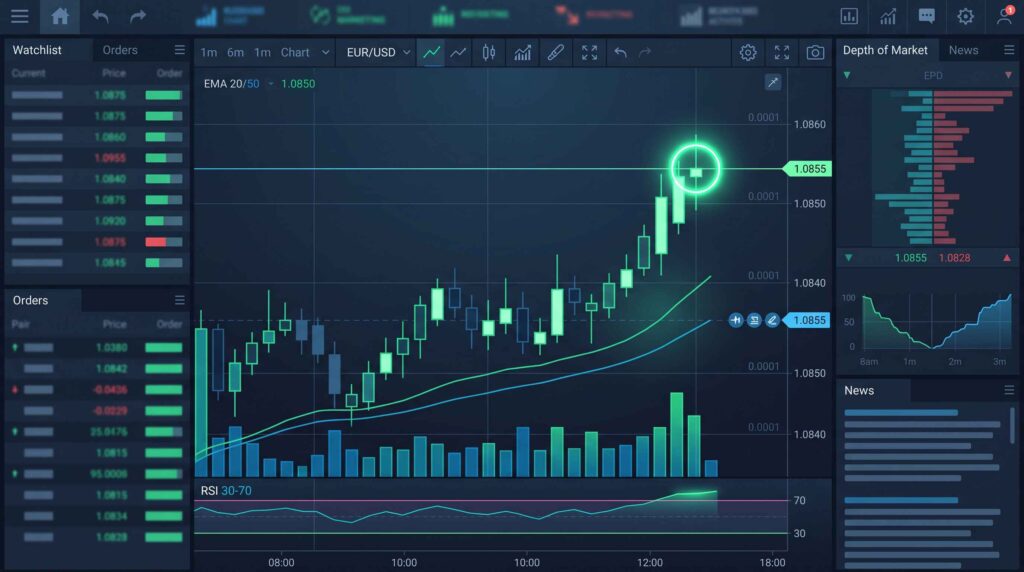
The Entry Price tells you where the trade should be opened.
This is the price level identified by professional analysis as a potential trading opportunity.
For example:
Currency Pair: EUR/USD
Direction: Buy
Entry: 1.1250
This means the trade should be opened when EUR/USD reaches the specified entry level.
Entering too early or too late may change the overall trade setup, which is why following the provided entry price is important.
Step 4: Understand the Stop Loss
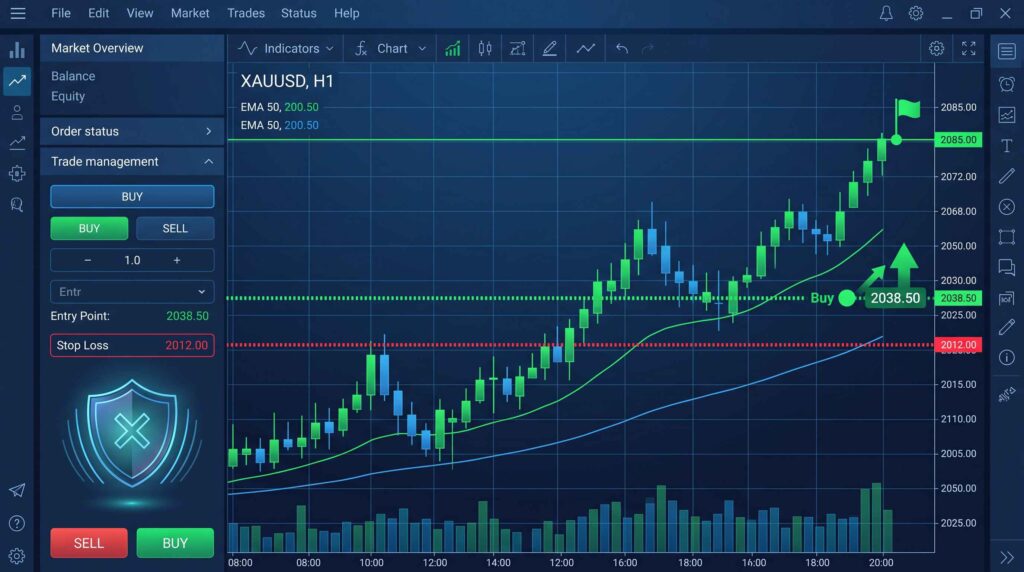
The Stop Loss is one of the most important parts of every Forex signal.
It defines the level where the trade will be closed if the market moves against the expected direction.
Its purpose is to:
- Limit potential losses
- Protect trading capital
- Reduce emotional decision-making
- Support disciplined trading
For example:
Buy Entry: 1.1250
Stop Loss: 1.1225
If the market falls to the Stop Loss level, the trade closes automatically to help manage risk.
Professional traders accept that not every trade will be successful, which is why Stop Loss orders are an essential part of every trading strategy.
Step 5: Understand the Take Profit

The Take Profit level indicates where the trade may be closed once the target profit has been reached.
For example:
Buy Entry: 1.1250
Take Profit: 1.1310
If the market reaches this level, the trade closes automatically, helping traders lock in gains without relying on emotion.
Having predefined profit targets encourages consistency and removes the temptation to hold trades for too long.
Step 6: Follow the Trade Management Instructions

Some Forex signals include additional trade management guidance.
These instructions may explain:
- When to move a Stop Loss
- When to secure partial profits
- Whether to leave the trade running
- How to respond if market conditions change
At FXProfitBuilder, trade management guidance is provided to help members follow a structured process throughout the life of a trade.
Why Every Part of the Signal Matters

Some beginners focus only on the potential profit target.
Professional traders understand that every part of the signal is equally important.
A complete Forex signal combines:
- A carefully selected currency pair
- A clear market direction
- A planned entry point
- Defined risk through the Stop Loss
- A realistic Take Profit target
- Structured trade management
Together, these elements create a disciplined trading plan rather than a guess.
Common Mistakes When Reading Forex Signals

New traders often make avoidable mistakes, including:
- Entering the trade before the entry price is reached
- Ignoring the Stop Loss
- Changing the Take Profit without a valid reason
- Risking too much on one trade
- Skipping trade management instructions
Following the signal exactly as provided helps maintain consistency and reduces emotional trading.
How FXProfitBuilder Creates Its Forex Signals

Every FXProfitBuilder signal is based on professional market research rather than guesswork.
Our analysts use:
- Volume indicators
- Support and resistance analysis
- Proprietary mathematical models
- Statistical research
- Market structure analysis
This information is transformed into clear, actionable trading signals with defined entry points, Stop Loss levels, and Take Profit targets.
Why FXProfitBuilder Is Ideal for Beginners

Understanding Forex signals becomes much easier when they’re presented in a simple and consistent format.
FXProfitBuilder provides:
- Daily Forex signals
- Signals for EUR/USD, GBP/USD, and USD/CHF
- Clear Buy and Sell instructions
- Precise entry prices
- Stop Loss and Take Profit levels
- Professional market analysis
- Educational training modules
- Manual and mechanical trading options
Our goal is to simplify the trading process while helping members build confidence and discipline.
Final Thoughts

Reading a Forex signal is about more than identifying where to buy or sell. Every part of the signal from the entry price to the Stop Loss and Take Profit works together to create a structured trading plan.
By understanding how each component functions and following the signal with discipline, traders can make more informed decisions and manage risk more effectively.
At FXProfitBuilder, our daily Forex signals are designed to remove much of the complexity from trading, allowing members to focus on consistency, education, and long-term improvement.
FAQ
1. What is an entry price in a Forex signal?
The entry price is the level at which a trader should open the trade according to the signal.
2. Why is a Stop Loss important?
A Stop Loss helps limit potential losses if the market moves against your position, making it an essential risk management tool.
3. What does Take Profit mean?
Take Profit is the price level where a trade is automatically closed after reaching its intended profit target.
4. Which currency pairs does FXProfitBuilder provide signals for?
FXProfitBuilder provides daily trading signals for EUR/USD, GBP/USD, and USD/CHF.
5. Should I change the Stop Loss or Take Profit levels?
Unless your trading plan or updated trade management guidance recommends it, it’s generally best to follow the levels provided in the signal.
6. How does FXProfitBuilder create its Forex signals?
Our analysts combine volume indicators, support and resistance analysis, proprietary mathematical models, statistical research, and market structure analysis to identify high-probability trading opportunities.
👉 Start your journey today—subscribe to our forex pip tips service and see the difference for yourself! Sign Up to get Exclusive Offers