How Journaling Can Improve Your Trading Game
Posted On - January 12, 2026 | By - FXProfitBuilder | Categories - Motivation and Personal Growth

Most traders search for better indicators, strategies, or signals but overlook one of the most powerful tools for long-term success: trading journaling.
Journaling doesn’t just track trades; it reveals patterns in your behavior, mindset, and decision-making. If you want to trade with consistency and confidence, journaling is not optional , it’s essential.
🧠 What Is a Trading Journal?
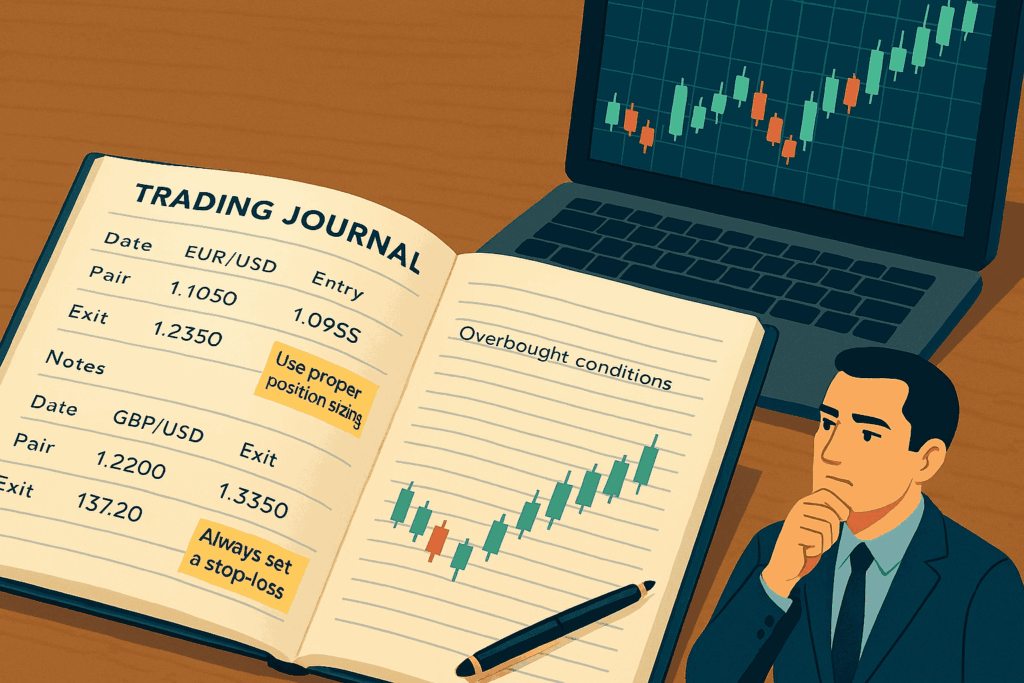
A trading journal is a structured record of your trades that includes:
- Entry and exit points
- Position size
- Risk-to-reward ratio
- Market conditions
- Emotions before, during, and after the trade
- Mistakes and lessons learned
It transforms trading from guesswork into a measurable process.
🎯 Why Journaling Improves Trading Performance

1️⃣ Identifies Repeating Mistakes
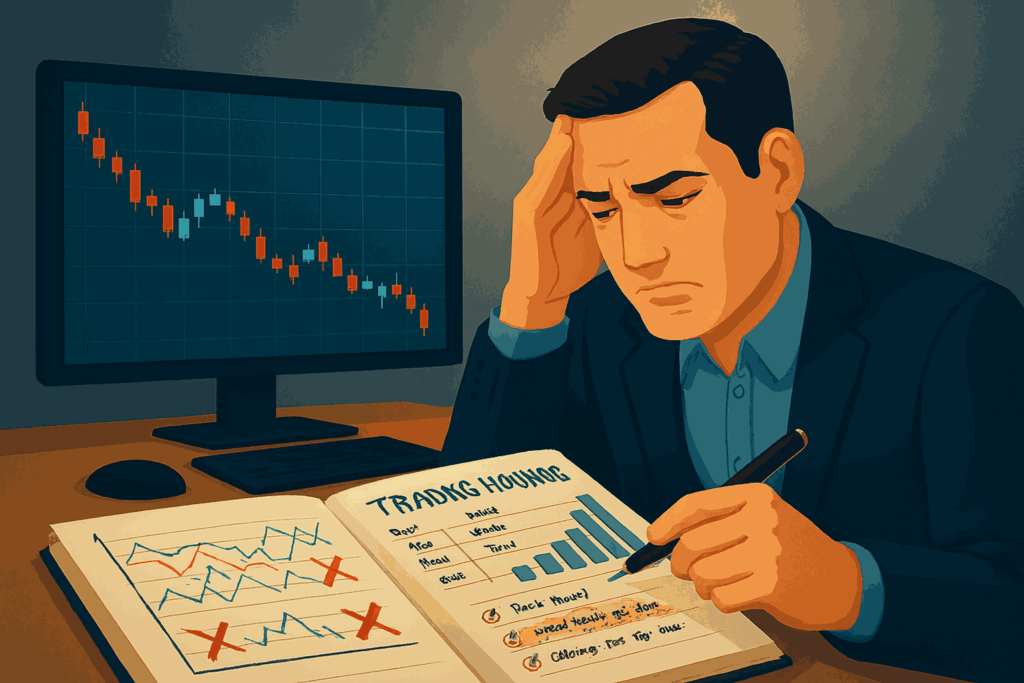
Most traders repeat the same errors without realizing it:
- Overtrading
- Early exits
- Ignoring stop-losses
- Trading emotionally
Journaling exposes these patterns clearly and awareness is the first step to fixing them.
2️⃣ Improves Discipline and Consistency

When you know every trade will be reviewed, you’re more likely to:
- follow your plan
- respect risk rules
- avoid impulsive decisions
Journaling holds you accountable.
3️⃣ Separates Skill from Luck
A few winning trades don’t mean a strategy works.
A journal shows:
- which setups truly perform
- what market conditions suit your style
- whether profits are consistent or random
This clarity builds confidence.
4️⃣ Enhances Emotional Control

Writing down emotions reveals:
- fear-driven exits
- revenge trading
- hesitation after losses
- overconfidence after wins
Once emotions are identified, they lose their power.
5️⃣ Accelerates Learning and Growth

Every trade becomes feedback.
Losses turn into lessons.
Wins become repeatable processes.
Journaling shortens the learning curve dramatically.
🛠️ What to Include in an Effective Trading Journal
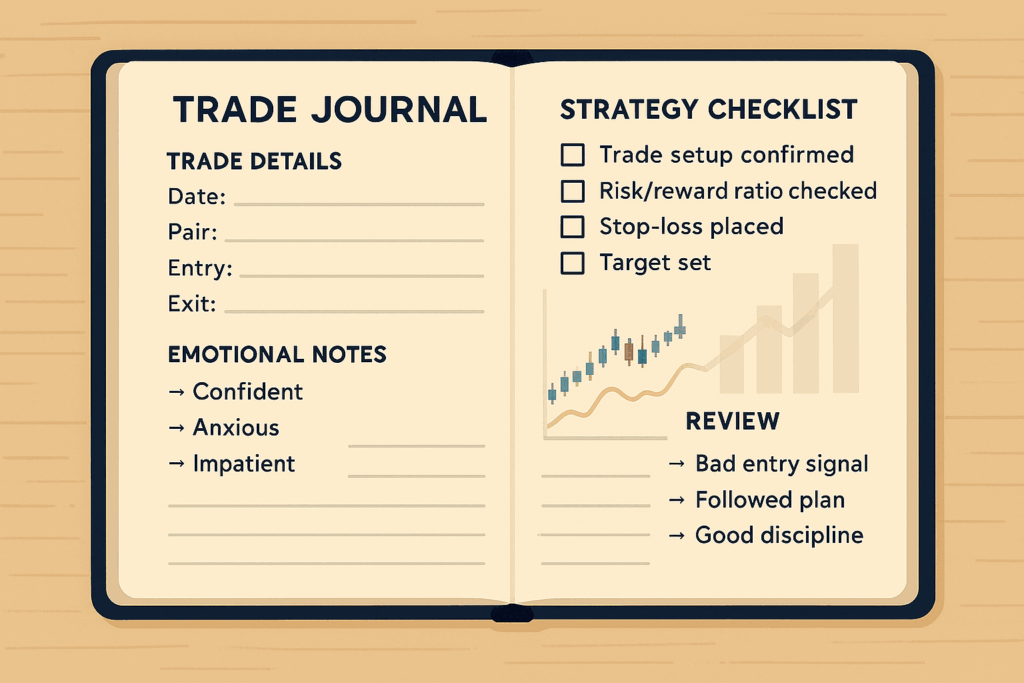
📌 Trade Details
- Pair traded
- Timeframe
- Entry & exit
- Stop-loss & take-profit
- Risk percentage
📌 Strategy & Setup
- Setup name
- Reason for entry
- Confirmation signals
📌 Emotional State
- Confidence level
- Stress or fear
- Focus or distraction
📌 Post-Trade Review
- What went right
- What went wrong
- One lesson learned
📊 How Often Should You Journal?

- After every trade – short notes
- Weekly review – identify patterns
- Monthly review – measure progress and refine strategy
Consistency matters more than perfection.
❌ Common Journaling Mistakes
- Only journaling losing trades
- Being dishonest with yourself
- Focusing only on profits
- Not reviewing the journal regularly
Your journal is for growth, not judgment.
🔚 Final Thoughts

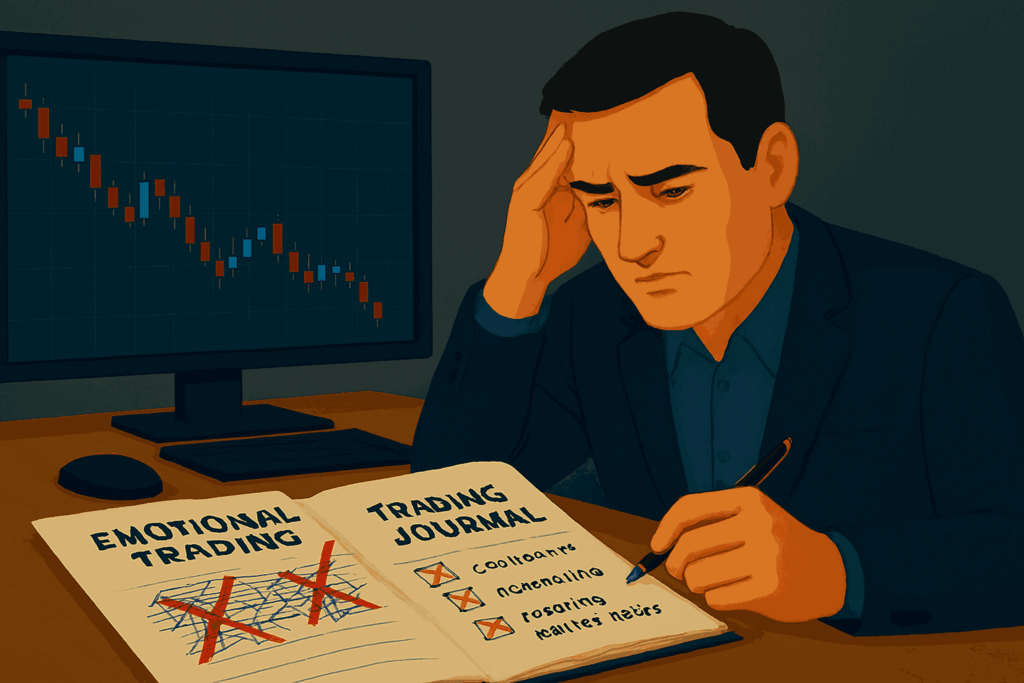
Trading journals turn emotional traders into systematic traders.
They sharpen discipline, expose weaknesses, and accelerate improvement.
If you’re serious about mastering Forex, journaling isn’t extra work , it’s part of the strategy.
🧠 FAQs
Q1. Do professional traders journal their trades?
Yes. Nearly all successful traders maintain detailed trading journals.
Q2. Can journaling improve profitability?
Indirectly, yes by improving discipline, emotional control, and strategy execution.
Q3. Is a digital or handwritten journal better?
Both work. Digital is easier for analysis; handwritten improves emotional awareness.
Q4. How long before journaling shows results?
Most traders notice improvements within 4–8 weeks.
Q5. What’s the biggest benefit of journaling?
Self-awareness , it changes how you trade.
👉 Start your journey today—subscribe to our forex pip tips service and see the difference for yourself! Sign Up to get Exclusive Offers