How to Develop an Adaptive Trading Style
Posted On - March 6, 2026 | By - FXProfitBuilder | Categories - Behavioral Patterns
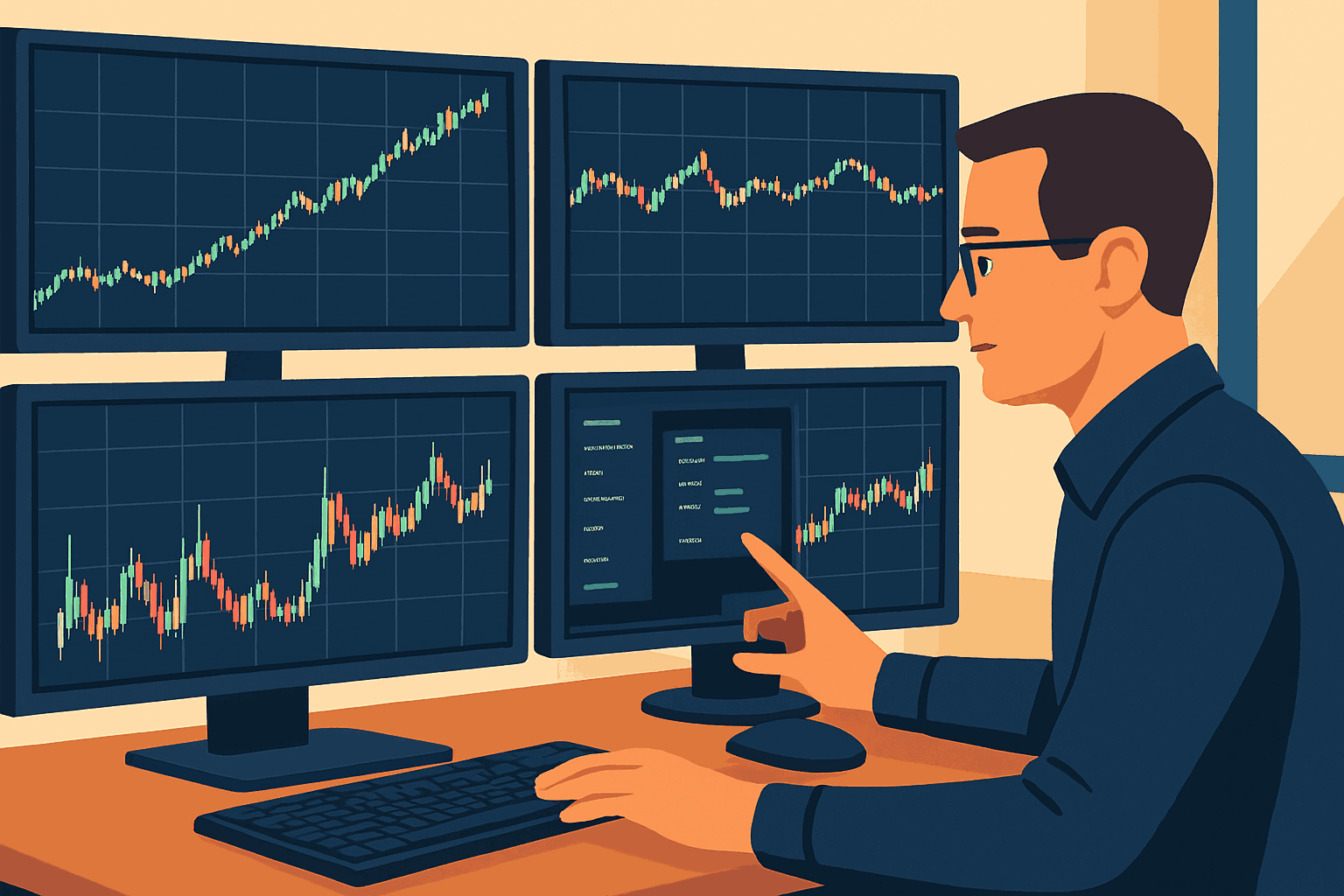
The Forex market is never static.
Volatility changes.
Trends form and disappear.
Liquidity shifts across sessions.
Traders who refuse to adapt eventually get left behind.
The ones who survive and thrive are adaptable.
Let’s break down how to develop an adaptive trading style that evolves with the market instead of fighting it.
🧠 What Is an Adaptive Trading Style?

An adaptive trader:
- Adjusts position size based on volatility
- Switches between trend and range strategies when needed
- Modifies trade management during news events
- Learns from changing market conditions
Adaptability doesn’t mean randomness.
It means structured flexibility.
📊 Why Adaptability Matters in Forex

Forex markets constantly shift due to:
- Economic data releases
- Central bank policies
- Global political events
- Institutional order flow
A strategy that works perfectly in trending markets may fail in consolidation.
If you treat every market condition the same, your results will become inconsistent.
🔁 Step 1: Understand Market Phases
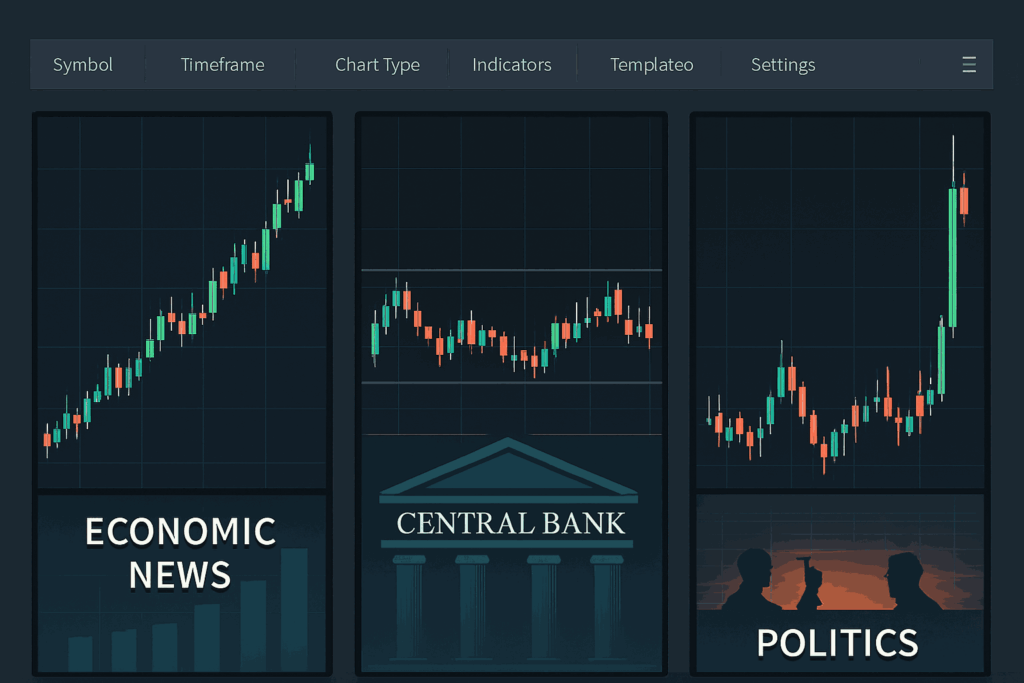
The market moves through three main phases:
1️⃣ Trending Market – Clear higher highs/lower lows
2️⃣ Ranging Market – Sideways consolidation
3️⃣ High Volatility News Phase – Sudden sharp movements
An adaptive trader first identifies the environment then applies the correct approach.
⚖️ Step 2: Adjust Risk Based on Conditions
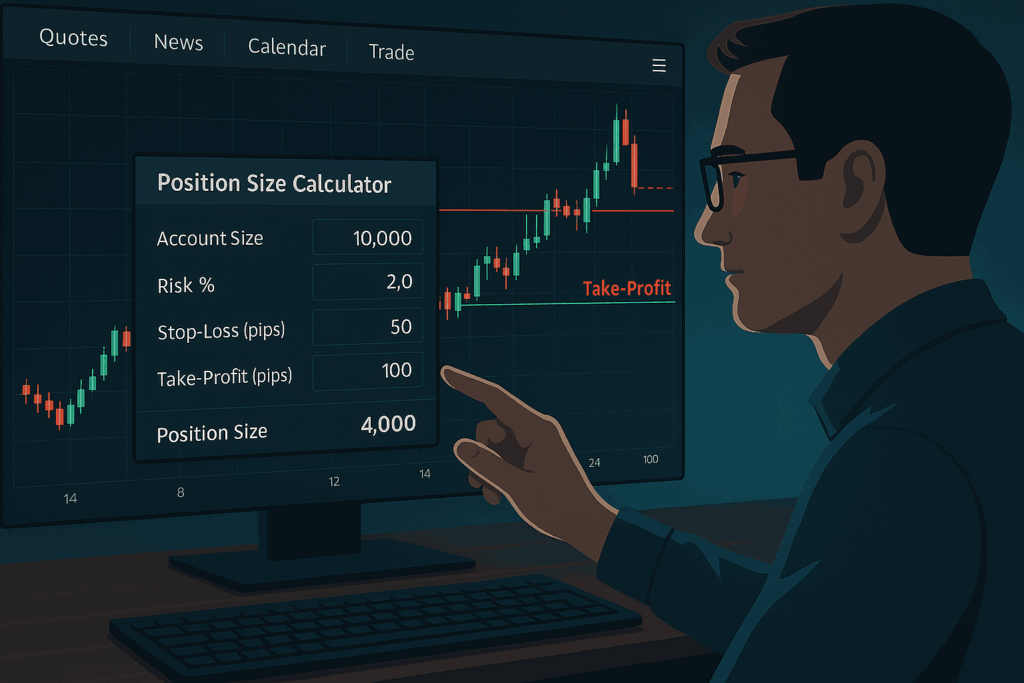
Risk should not be static.
For example:
- Lower volatility → smaller targets, tighter stops
- High volatility → wider stops, adjusted lot size
- Major news → reduced exposure or no trading
Professional traders protect capital first.
Adaptation begins with risk management.
🎯 Step 3: Have Multiple Valid Setups
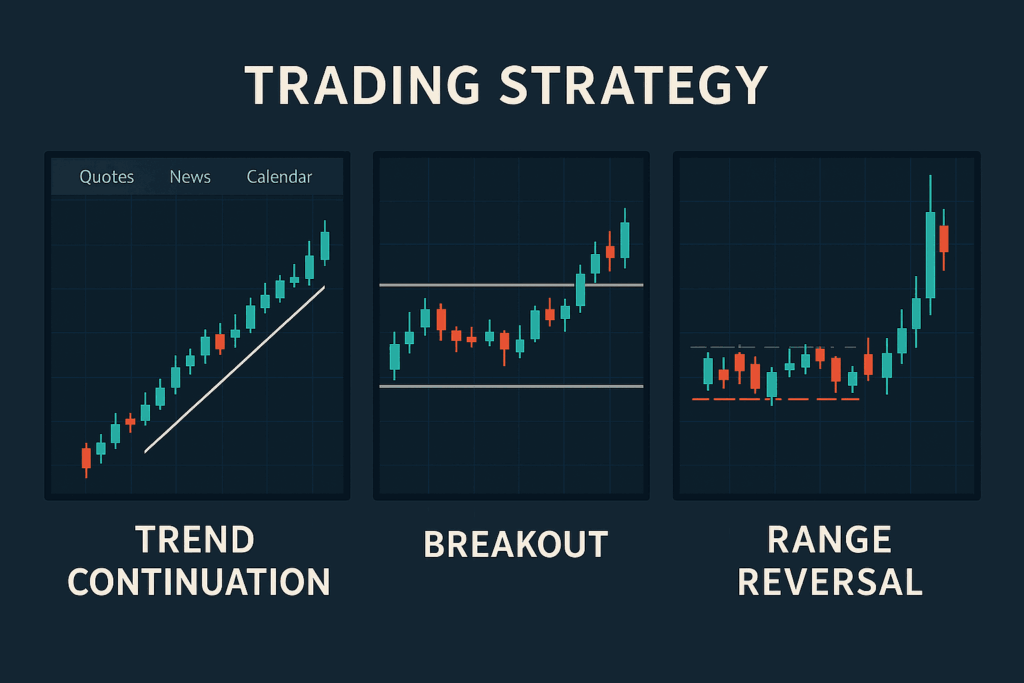
Instead of relying on one rigid pattern:
Develop 2–3 structured setups for different conditions:
- Trend continuation strategy
- Breakout strategy
- Range reversal strategy
Systems like FXProfitBuilder help by providing structured signals aligned with market conditions, helping traders stay disciplined while adapting.
Flexibility should remain rule-based not emotional.
📈 Step 4: Monitor Performance Data
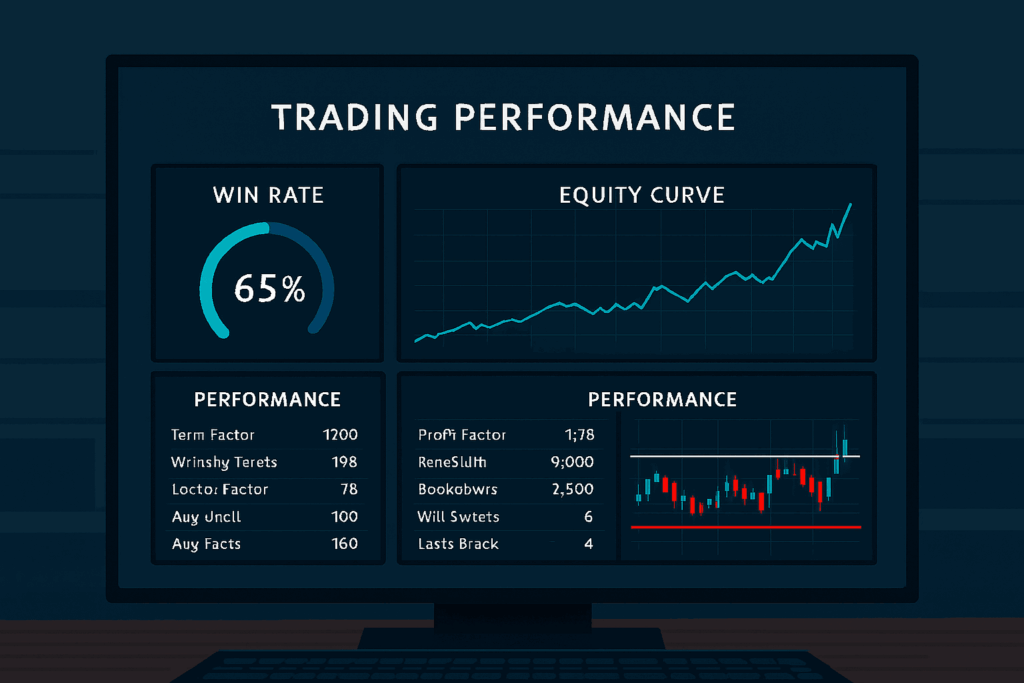
Track:
- Win rate in trending markets
- Win rate in ranging markets
- Performance during high-impact news
Data reveals where adjustments are needed.
Without performance tracking, adaptation becomes guesswork.
🧘 Step 5: Build Psychological Flexibility

Adaptability isn’t only technical.
It’s mental.
Rigid traders often:
- Try to force trades
- Refuse to accept changing conditions
- Blame strategy instead of context
Flexible traders:
- Accept losses as information
- Step back during uncertainty
- Adjust calmly without panic
Mental flexibility supports strategic flexibility.
🔄 Step 6: Learn from Market Feedback
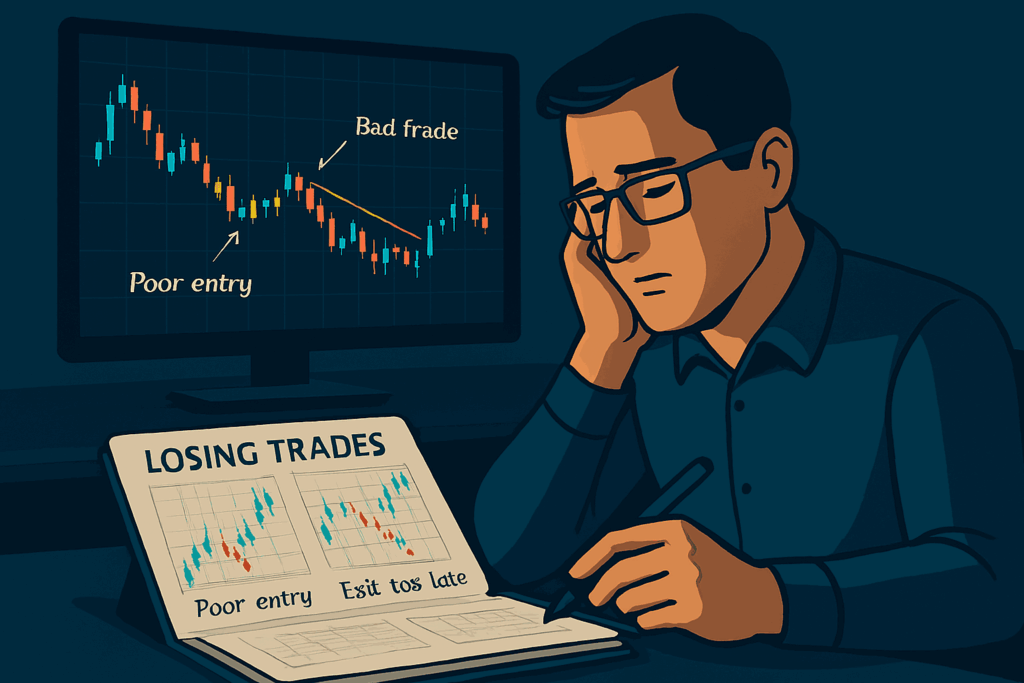
Every losing streak carries information.
Ask:
- Did volatility change?
- Was the market ranging instead of trending?
- Did I trade during unstable conditions?
Adaptive traders treat the market as feedback not as an enemy.
⚠️ The Danger of Over-Adapting
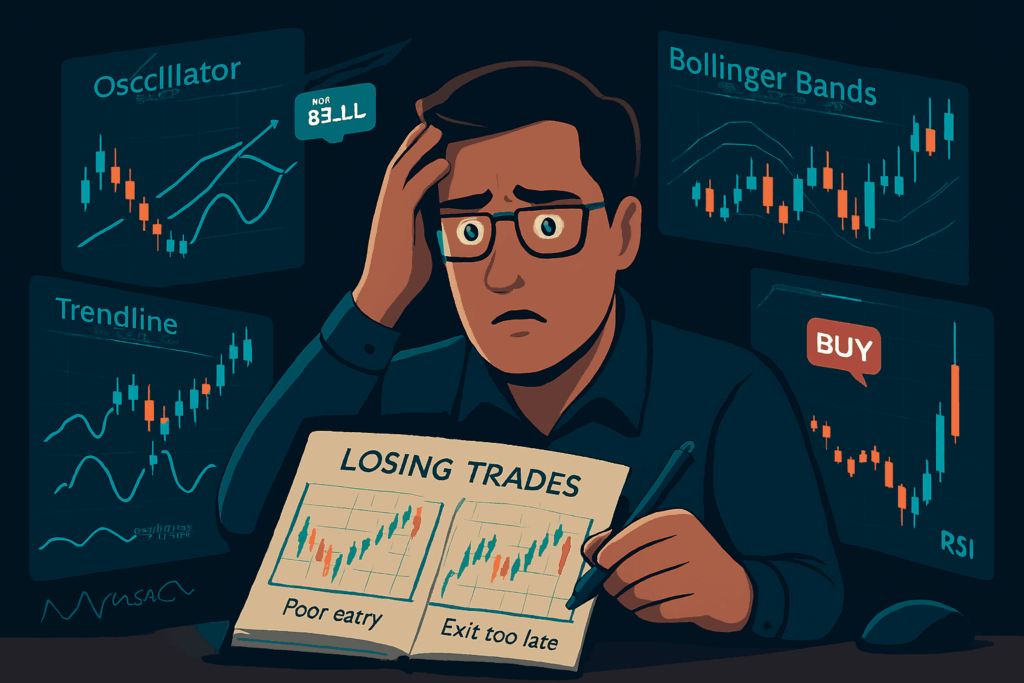
Being adaptive does NOT mean:
- Changing strategy every week
- Constantly switching indicators
- Abandoning a tested system too quickly
Adaptation should be data-driven and gradual.
Too much change creates chaos.
🛠️ Practical Example of Adaptation
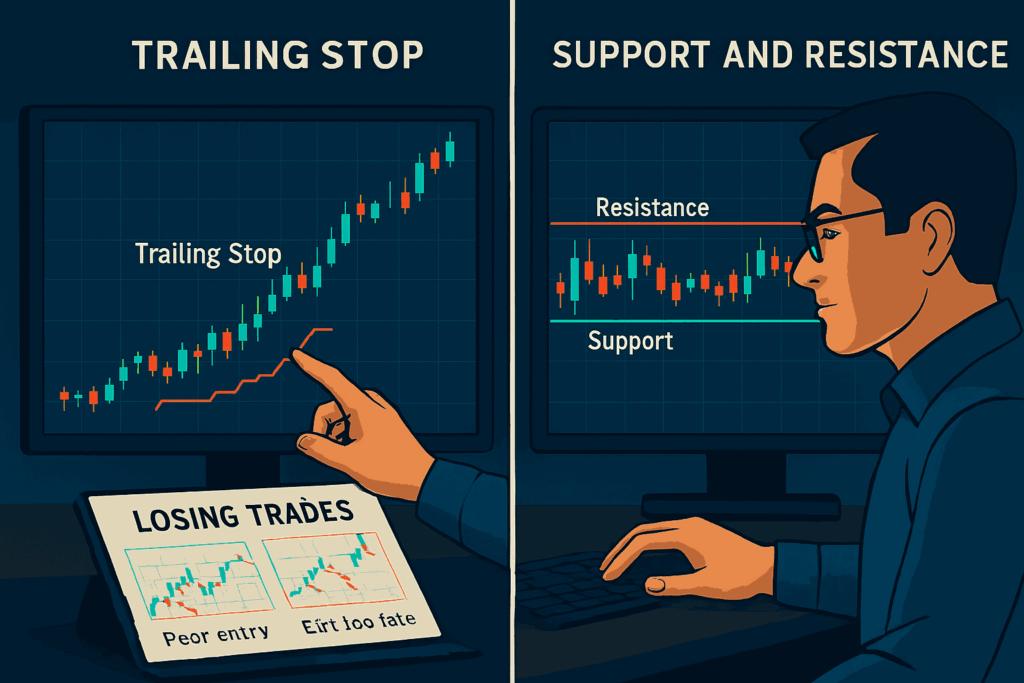
Scenario 1: Strong Trend
- Trade pullbacks
- Trail stops
- Let winners run
Scenario 2: Sideways Market
- Target smaller profits
- Trade support/resistance
- Reduce trade frequency
Same trader.
Different execution style.
That’s adaptability.
🎯 Traits of Adaptive Traders
They:
- Respect changing volatility
- Adjust lot sizes wisely
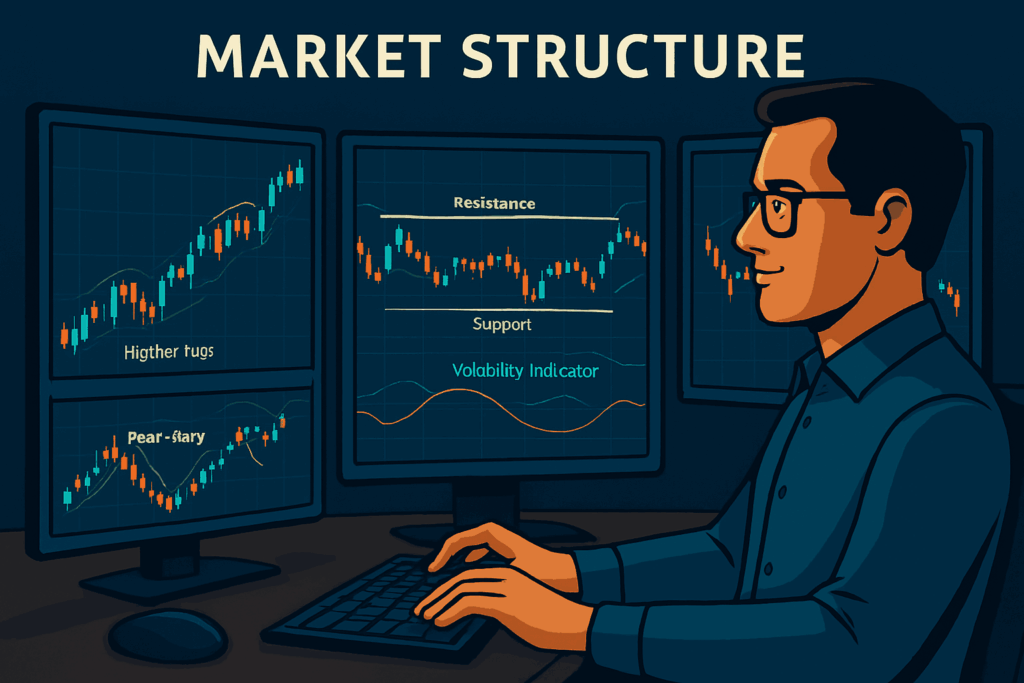
- Study market structure
- Remain emotionally stable
- Review performance regularly
Adaptability is a skill not a talent.
🔚 Final Thoughts
Forex rewards flexibility.
The market doesn’t care about your fixed plan.
It responds to flow, momentum, and liquidity.
If you learn to:
Observe
Analyze
Adjust
You’ll stop fighting the market and start flowing with it.
And that’s where consistency begins.
❓ FAQs
Q1: Is adapting the same as changing strategy frequently?
No. Adaptation is structured adjustment based on market conditions, not emotional switching.
Q2: How many strategies should I have?
2–3 well-tested setups for different market phases are enough.
Q3: Can beginners develop an adaptive style?
Yes, by focusing first on market structure and volatility awareness.
Q4: Should risk be constant in all conditions?
No. Risk exposure should reflect volatility and market stability.
Q5: How do I know when to adapt?
When performance metrics decline due to changing market behavior not random losses.
👉 Start your journey today—subscribe to our forex pip tips service and see the difference for yourself! Sign Up to get Exclusive Offers