How to Trade Forex Breakouts Like a Pro
Posted On - November 19, 2025 | By - FXProfitBuilder | Categories - Advanced Trading Concepts
Introduction
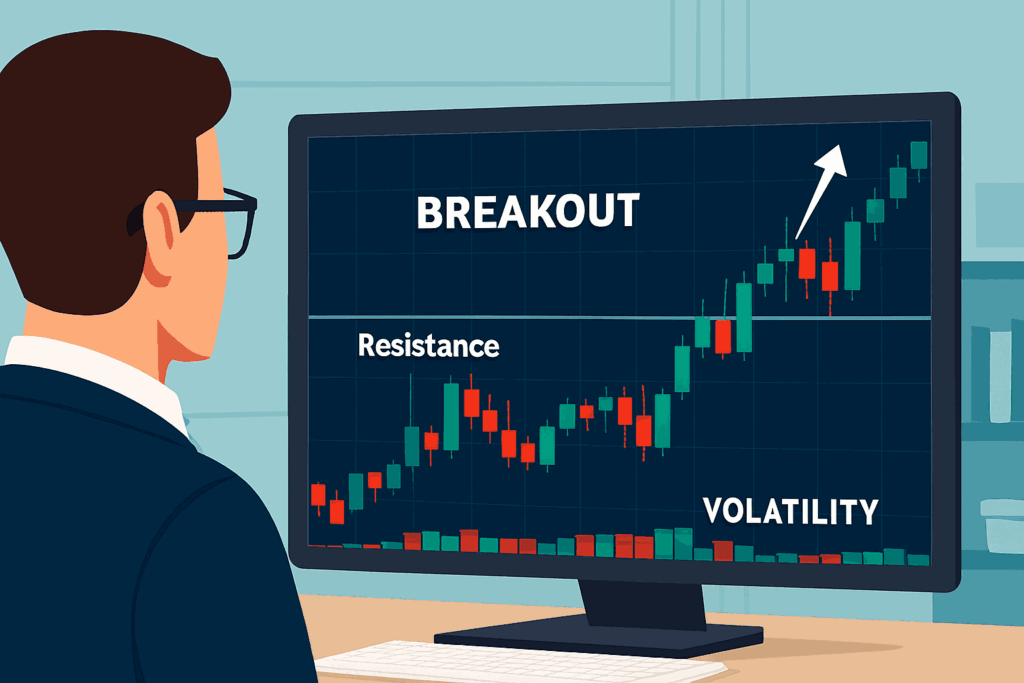
Breakout trading is one of the most exciting and profitable strategies in Forex when done right. It allows traders to capture momentum as price breaks through key support or resistance levels. However, not all breakouts are created equal some are genuine while others are false signals that can trap traders. In this article, we’ll dive into the psychology, setup, and precision needed to trade Forex breakouts like a pro.
1. What Is a Breakout in Forex?
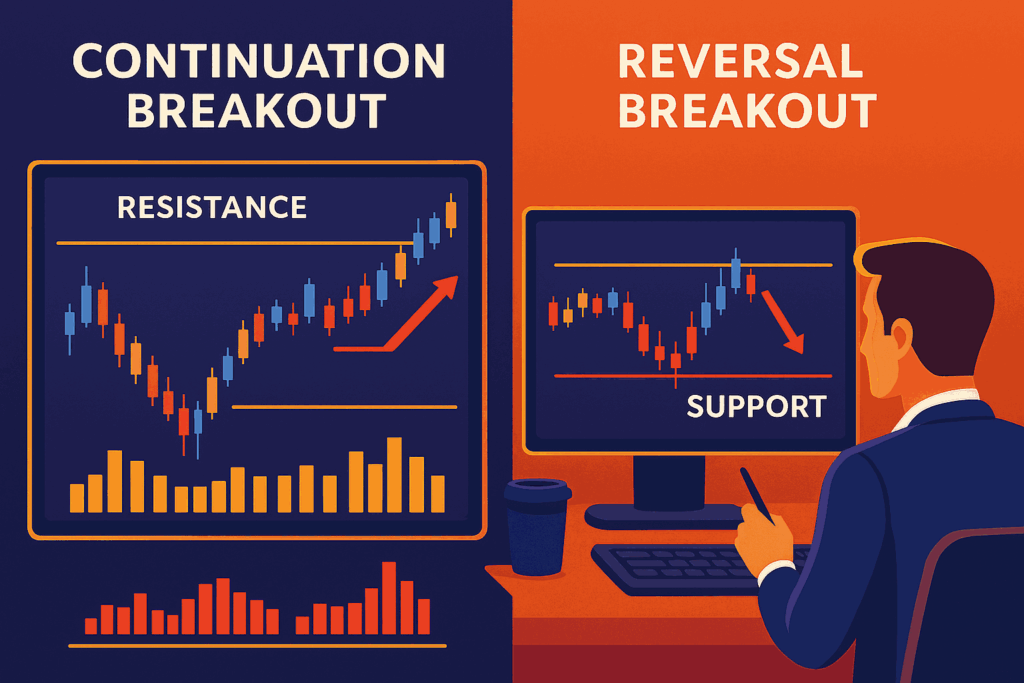
A breakout occurs when price moves beyond a defined range usually above resistance or below support with increased volume and volatility. It signals a potential shift in market sentiment, often followed by strong directional movement.
There are two main types of breakouts:
- Continuation Breakouts: When price breaks in the direction of an existing trend.
- Reversal Breakouts: When price breaks against the current trend, indicating a possible trend reversal.
2. Why Breakouts Matter in Forex Trading

Breakouts often mark the beginning of new market trends, making them highly valuable for traders. They can:
- Provide early entries into strong moves.
- Offer tight stop-loss opportunities with favorable risk-reward ratios.
- Help traders identify market sentiment changes quickly.
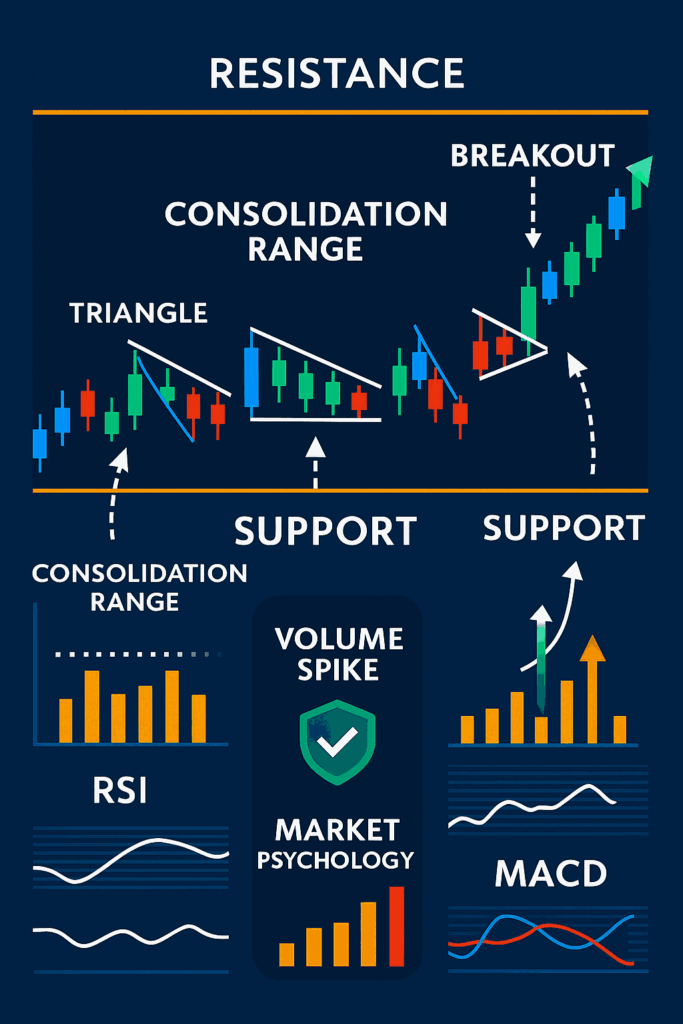
3. Identifying Breakout Zones

The foundation of breakout trading is accurately identifying key zones where breakouts are likely to happen.
- Support and Resistance Levels: Horizontal zones where price repeatedly reacts.
- Chart Patterns: Triangles, flags, wedges, and rectangles often lead to breakouts.
- Volume Spikes: Increased volume adds confirmation that a breakout is genuine.
- Volatility Contraction: Periods of low volatility (consolidation) often precede explosive moves.
4. Entry and Exit Strategy for Breakouts
Trading breakouts requires timing and confirmation.
For Entry:
- Wait for a confirmed candle close beyond resistance or support.
- Use retests of breakout levels as safer entry points.
- Confirm with momentum indicators like RSI or MACD.
For Exit:
- Use trailing stops to capture extended moves.
- Watch for signs of exhaustion such as divergence or volume drop.
- Avoid overtrading sometimes, the best move is to lock in profits early.
5. Avoiding False Breakouts
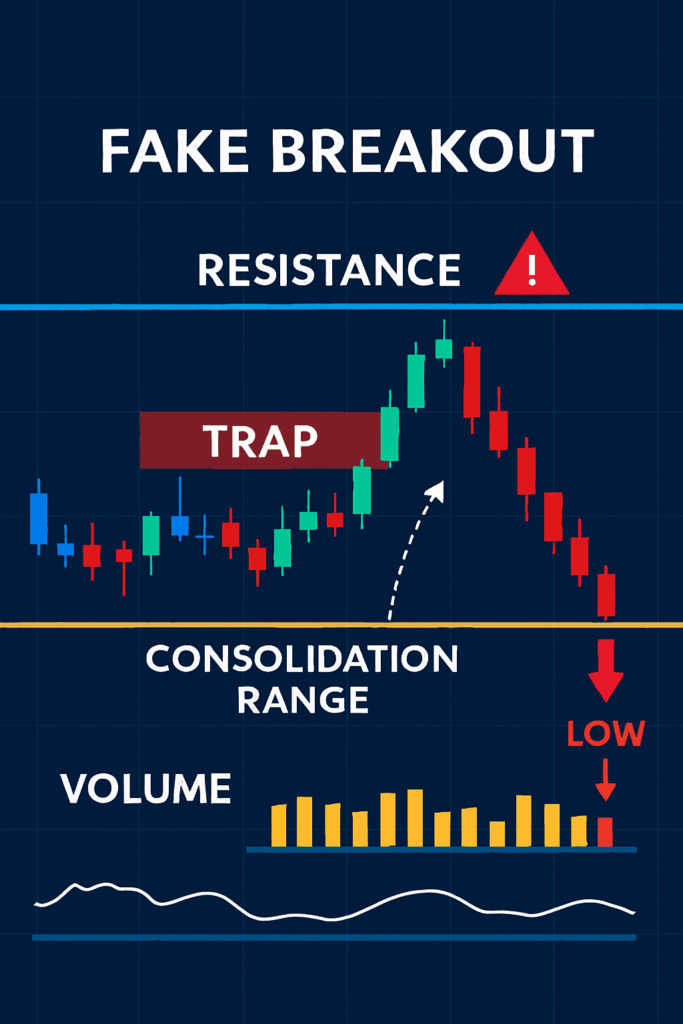
False breakouts are traps where price breaks a level briefly and then reverses. To avoid them:
- Confirm with higher timeframes (H4 or Daily).
- Look for volume validation low volume breakouts often fail.
- Wait for candle body (not just wick) to close beyond key levels.
- Trade only when there’s fundamental alignment (like during economic events).
6. Tools for Professional Breakout Traders
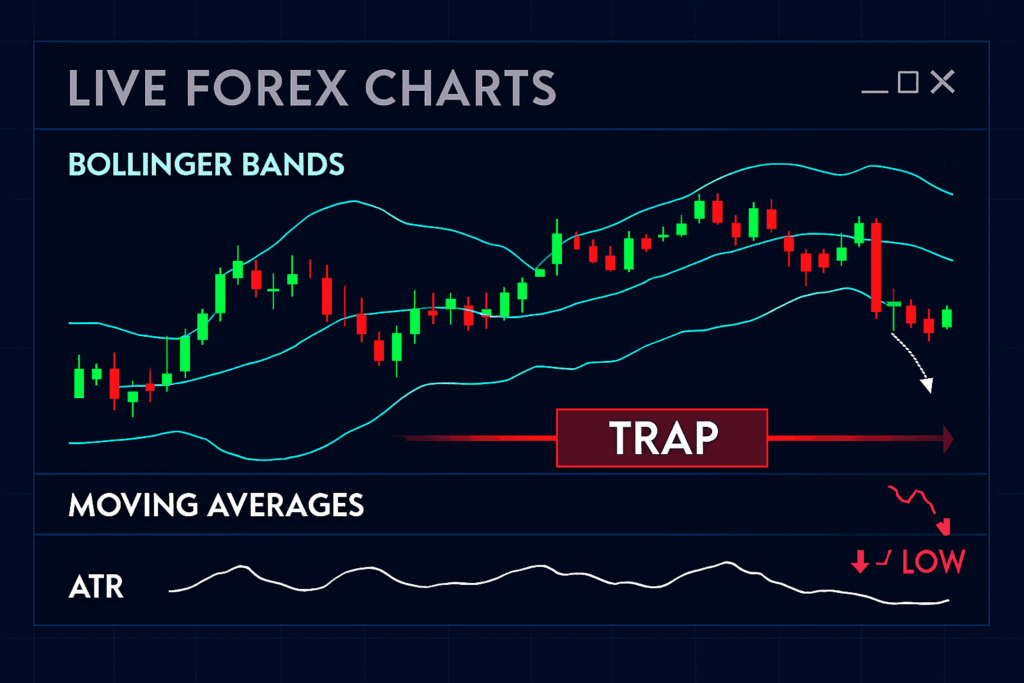
- ATR (Average True Range): Helps identify breakout strength and volatility.
- Bollinger Bands: Detects price squeezes before breakouts.
- Moving Averages: Act as dynamic support/resistance zones.
- Price Action Patterns: Candlestick formations like engulfing bars or pin bars provide extra confirmation.
7. Risk Management in Breakout Trading
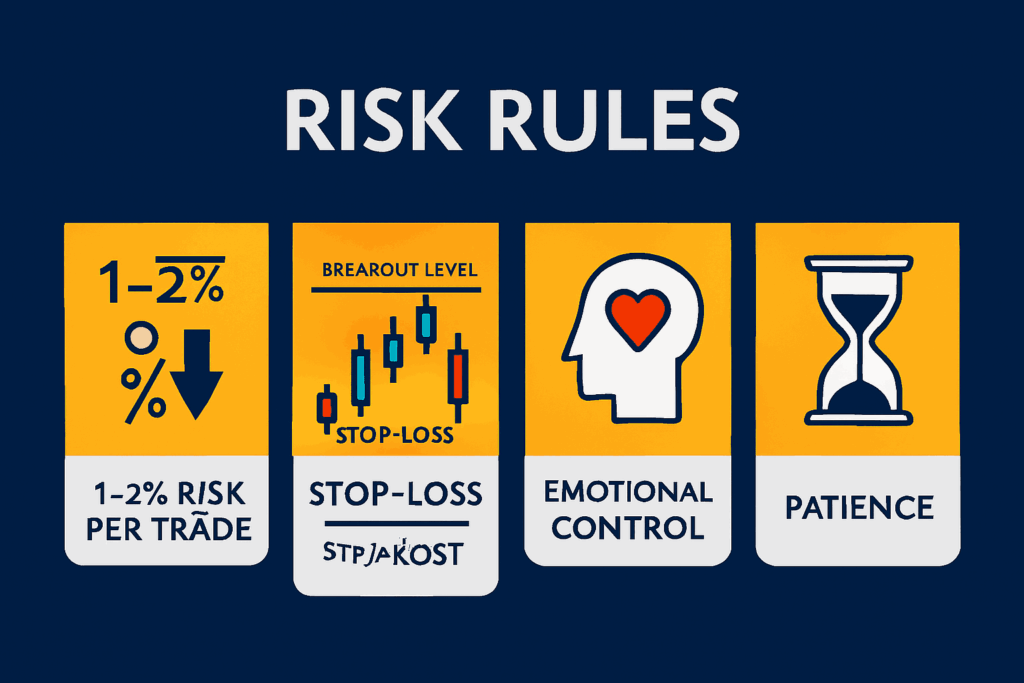
Every professional trader prioritizes risk management.
- Risk only 1–2% per trade.
- Always use a stop-loss below/above the breakout level.
- Don’t chase wait for the right setup.
- Keep emotions in check; patience separates amateurs from pros.
Conclusion

Mastering breakout trading requires more than just spotting a line on a chart. It’s about combining technical skill, patience, and timing. By understanding the dynamics behind breakouts, using the right tools, and implementing disciplined risk management, you can trade Forex breakouts like a true professional.
FAQs
Q1. What timeframe is best for breakout trading?
Higher timeframes like 1H, 4H, and Daily offer more reliable breakout signals than lower timeframes, which are prone to noise.
Q2. How can I confirm a true breakout?
Look for a strong candle close beyond a level with high volume, backed by momentum indicators like RSI or MACD.
Q3. Are breakouts effective in all market conditions?
No, breakouts work best in volatile, trending markets not in sideways or ranging conditions.
Q4. Should I use pending orders for breakouts?
Yes, buy stop or sell stop orders can be used above resistance or below support, but use them cautiously to avoid fakeouts.
Q5. What’s the best indicator for breakout confirmation?
Volume-based indicators and volatility measures like Bollinger Bands or ATR are great for confirming genuine breakouts.
👉 Start your journey today—subscribe to our forex pip tips service and see the difference for yourself! Sign Up to get Exclusive Offers