The Elliott Wave Theory Explained for Forex Traders
Posted On - November 7, 2025 | By - FXProfitBuilder | Categories - Advanced Trading Concepts
Introduction
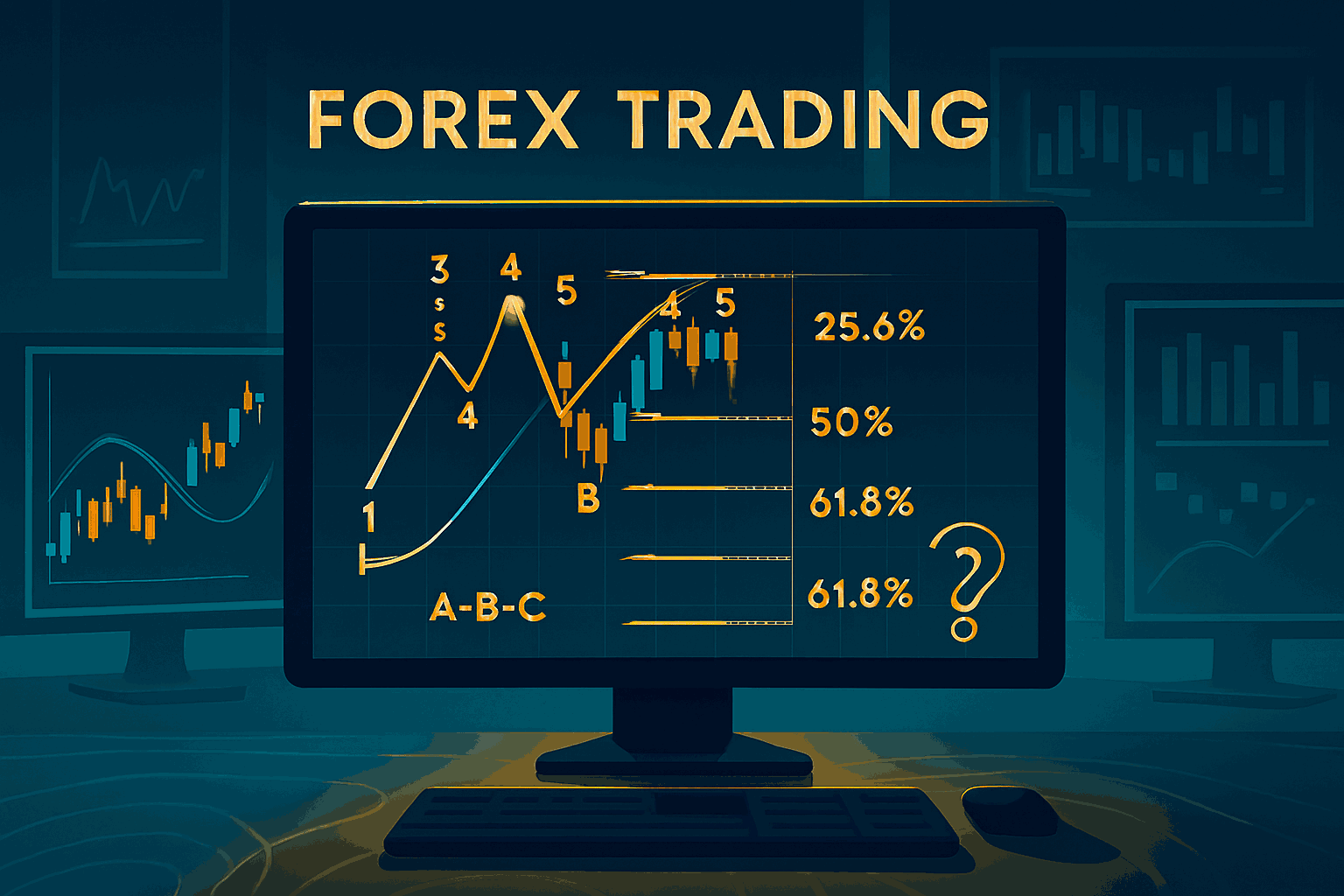
Forex markets move in patterns not random chaos. These patterns often reflect the psychology and collective behavior of traders. The Elliott Wave Theory, developed by Ralph Nelson Elliott in the 1930s, helps traders decode these movements and predict future price trends by studying wave patterns within market cycles.
For forex traders, understanding Elliott Waves can transform the way you analyze charts and identify profitable opportunities.
What is the Elliott Wave Theory?
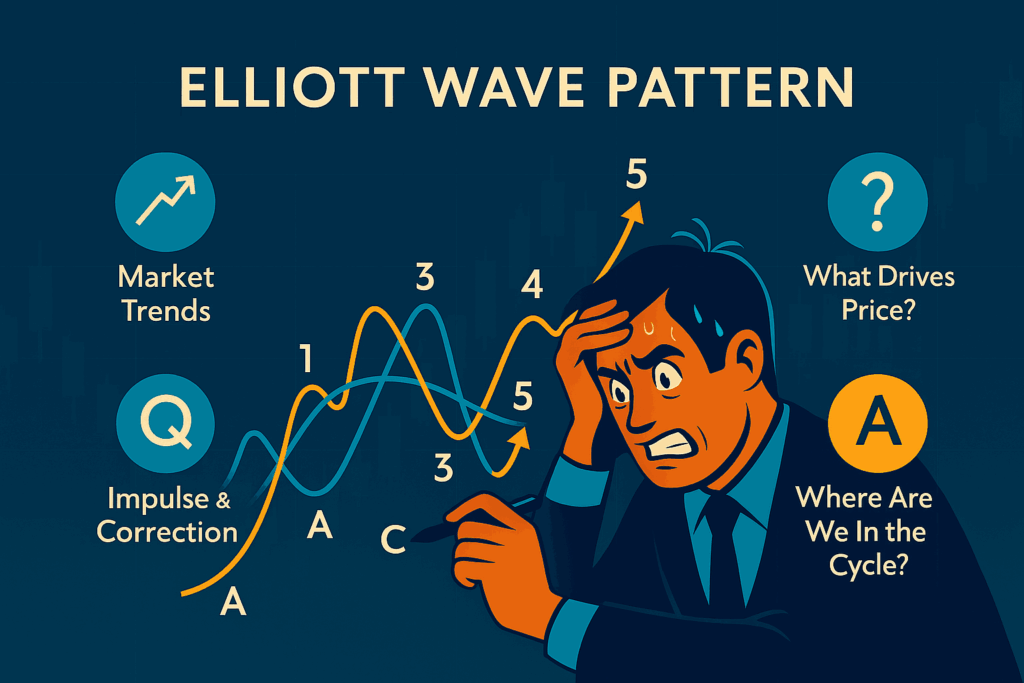
The Elliott Wave Theory is based on the idea that market prices move in repetitive wave patterns, driven by investor psychology optimism, fear, greed, and uncertainty.
These patterns consist of:
- Impulse Waves (trend direction)
- Corrective Waves (counter-trend retracements)
Together, they form complete market cycles that repeat across all timeframes from minutes to months.
The 5-3 Wave Structure
📈 Impulse Waves (5 Waves)

These move in the direction of the main trend and include:
- Wave 1: The initial market move, often unnoticed by the majority.
- Wave 2: A retracement that corrects part of Wave 1’s move.
- Wave 3: Usually the strongest and longest wave where most traders join the trend.
- Wave 4: A consolidation or mild correction phase.
- Wave 5: The final push before a larger correction begins.
📉 Corrective Waves (3 Waves)
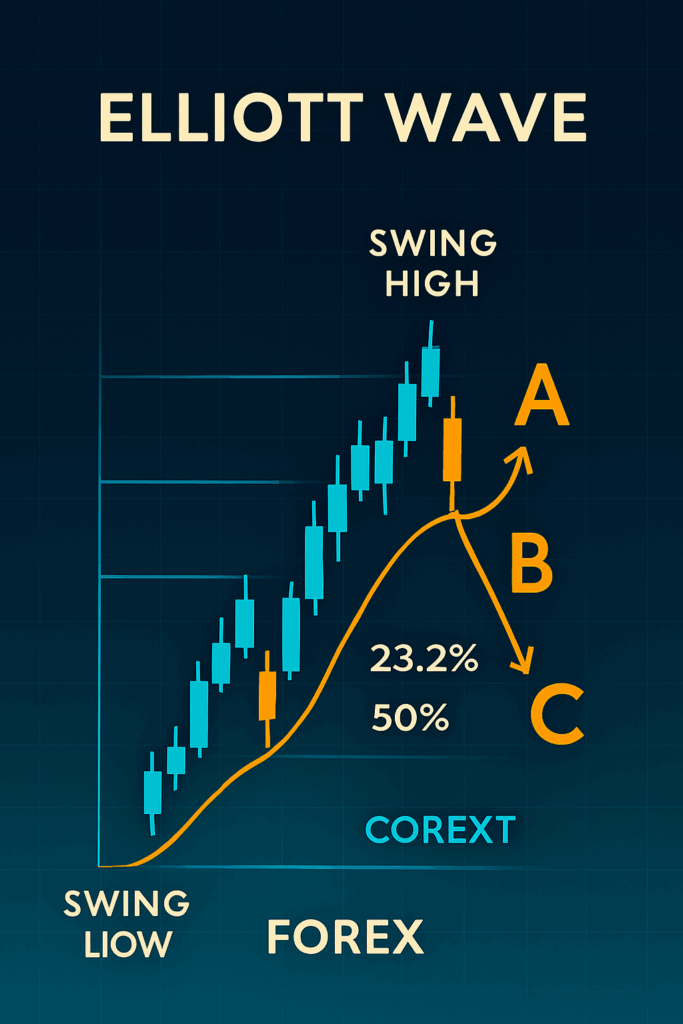
After the 5-wave impulse comes a 3-wave correction, labeled A-B-C:
- Wave A: Initial counter-trend movement.
- Wave B: Temporary recovery or pause.
- Wave C: Final move completing the correction.
This 5-3 structure (Impulse + Correction) forms one complete market cycle.
How Forex Traders Use Elliott Wave Theory
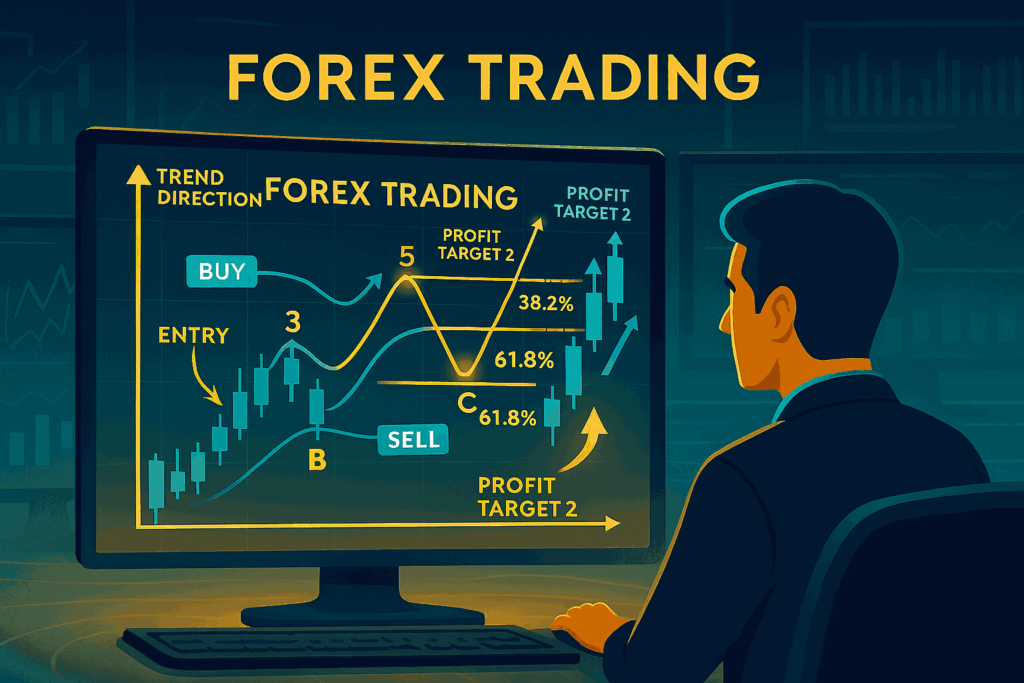
1. Identifying Trend Direction
By recognizing where the market is within a wave sequence, traders can determine whether they should trade with or against the current trend.
2. Timing Entries and Exits
Wave counts help traders identify when trends are nearing completion signaling when to enter early or exit before reversals.
3. Combining with Fibonacci
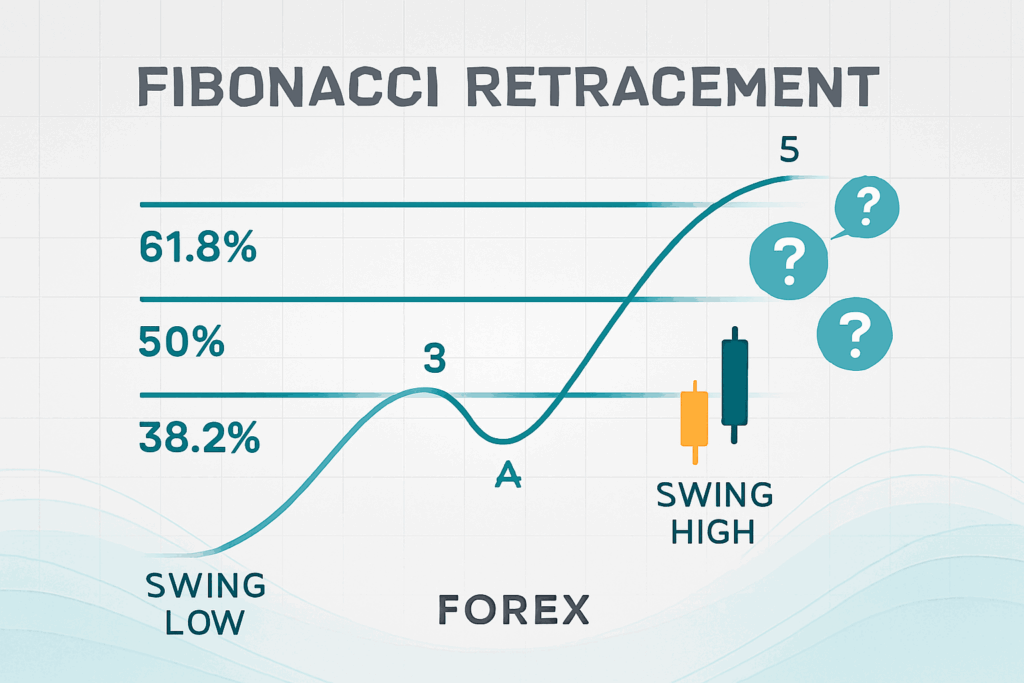
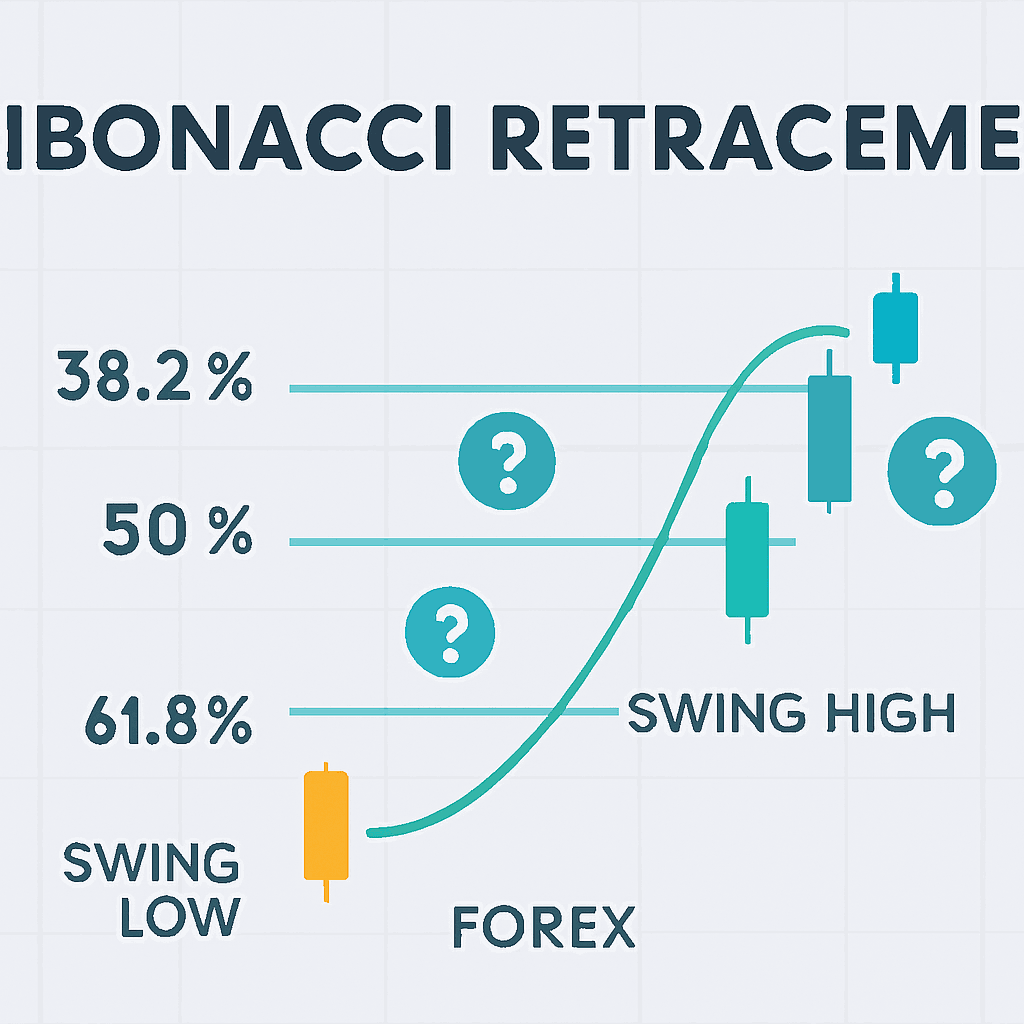
Elliott Wave Theory often pairs beautifully with Fibonacci retracement and extension levels, since wave corrections frequently align with Fibonacci ratios like 38.2%, 50%, and 61.8%.
4. Setting Realistic Targets
Each wave has predictable behavior and length. Traders use these characteristics to estimate future price moves and plan take-profit zones.
Example: Elliott Waves on EUR/USD
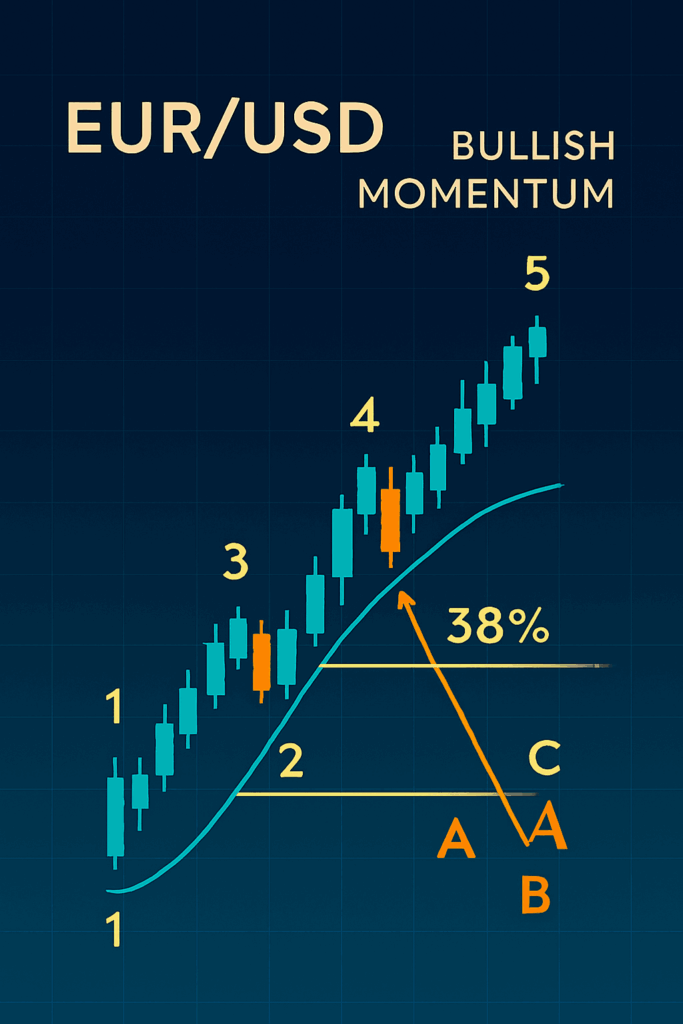
Imagine EUR/USD is in a strong uptrend:
- You identify Wave 3 in progress the most powerful move.
- A retracement forms afterward (Wave 4), aligning with a Fibonacci 38.2% level.
- You prepare for Wave 5’s continuation, confirming with bullish momentum signals.
By following this structure, you can trade confidently instead of guessing market direction.
Common Mistakes in Using Elliott Waves
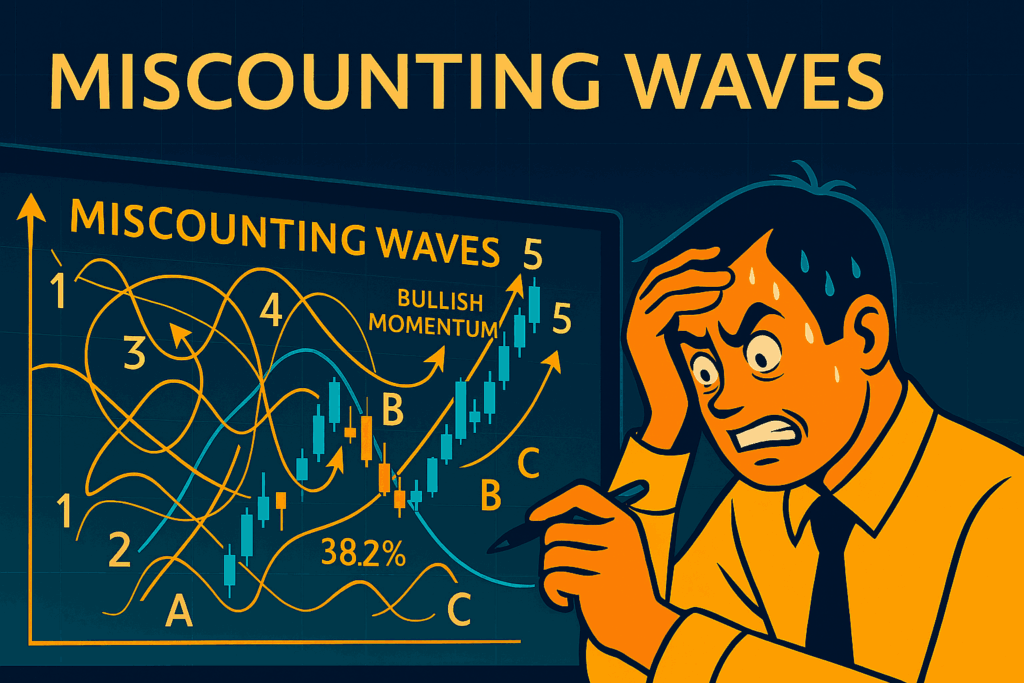
- Forcing wave counts: Don’t fit patterns where they don’t exist.
- Ignoring timeframes: A pattern on a 15-minute chart may differ from a daily chart.
- Skipping confirmations: Always use indicators and support/resistance to validate your wave analysis.
Conclusion
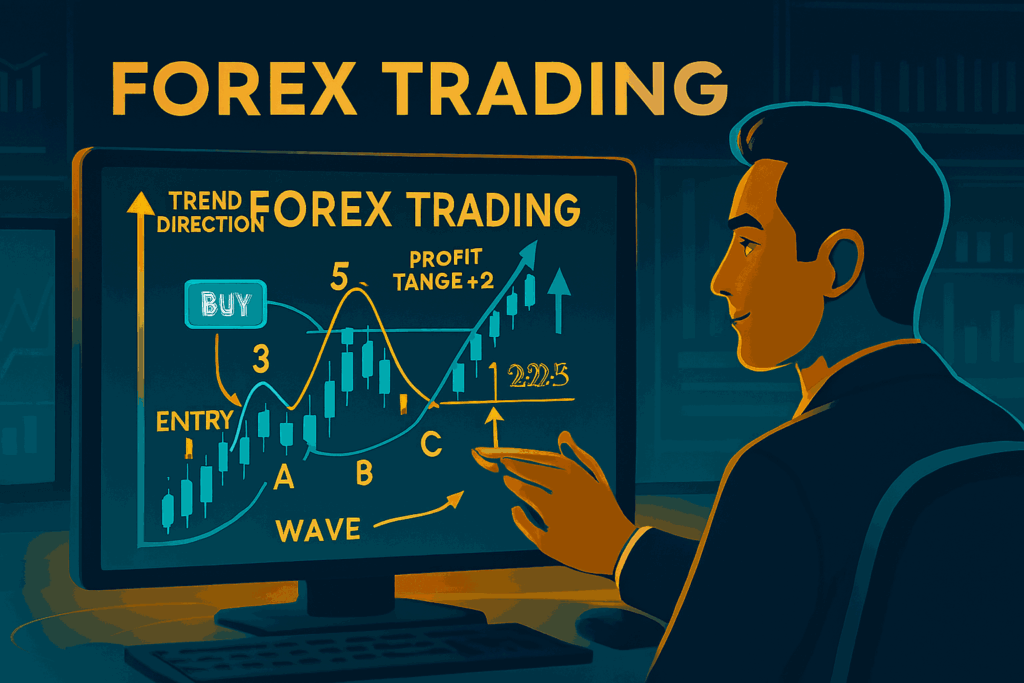
The Elliott Wave Theory is a blend of market psychology and technical precision. While it takes practice to master, it provides traders with a roadmap to understand market rhythm and anticipate movements before they happen. Combine it with Fibonacci tools and sound risk management to make it a powerful part of your forex trading strategy.
FAQs
Q1: Is Elliott Wave Theory suitable for beginners?
Yes, but it requires patience and practice. Start by identifying clear impulse and corrective waves on larger timeframes.
Q2: Can Elliott Wave Theory be automated?
Some advanced charting platforms include Elliott Wave indicators, but human interpretation still provides the best accuracy.
Q3: How does Elliott Wave Theory differ from trend trading?
Trend trading focuses on direction, while Elliott Wave Theory explains why and how trends form and evolve in cycles.
👉 Start your journey today—subscribe to our forex pip tips service and see the difference for yourself! Sign Up to get Exclusive Offers