Understanding Your Triggers: A Guide for Traders
Posted On - October 10, 2025 | By - FXProfitBuilder | Categories - Forex Trading Psychology

Introduction
In forex trading, your biggest opponent is often not the market, it’s yourself. Many traders struggle with emotional reactions that sabotage their decisions. These reactions are usually sparked by triggers specific situations or patterns that set off stress, fear, greed, or impatience. Understanding your triggers is the first step to mastering trading psychology and building long-term success.
What Are Trading Triggers?
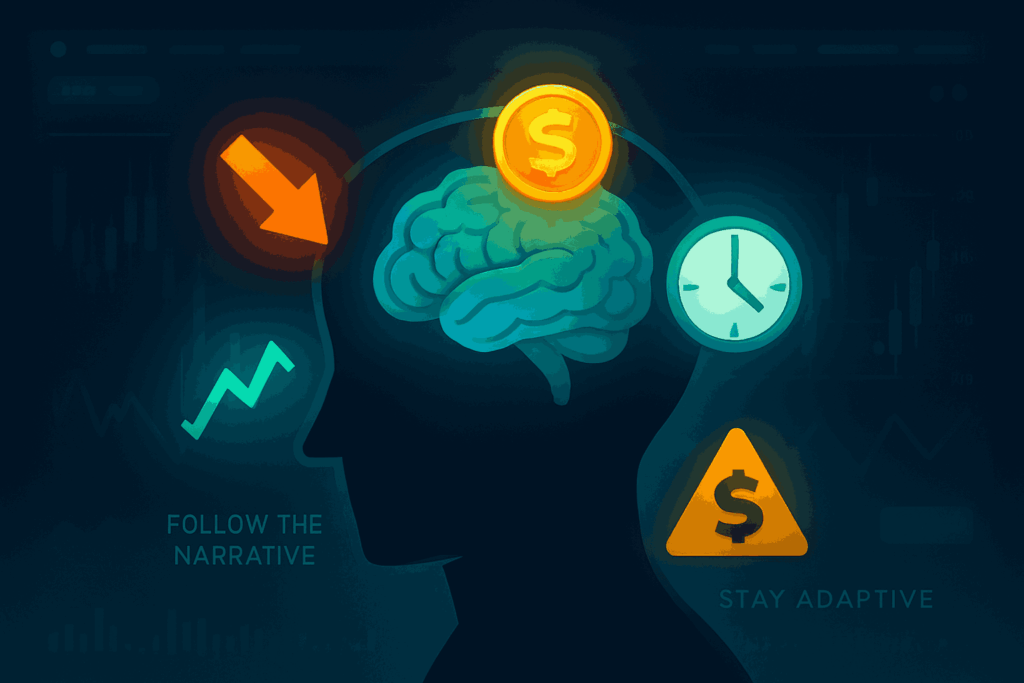
Trading triggers are emotional or psychological cues that influence your decisions. They often lead to impulsive actions that deviate from your trading plan. Triggers can stem from market conditions, past experiences, or even personal habits.
Common examples include:
- Seeing sudden market volatility and feeling the urge to jump in without analysis.
- Experiencing a string of losses and chasing trades to recover quickly.
- Watching others profit and feeling FOMO (fear of missing out).
- Holding onto losing trades because of the hope they’ll “turn around.”
Why Identifying Triggers Matters
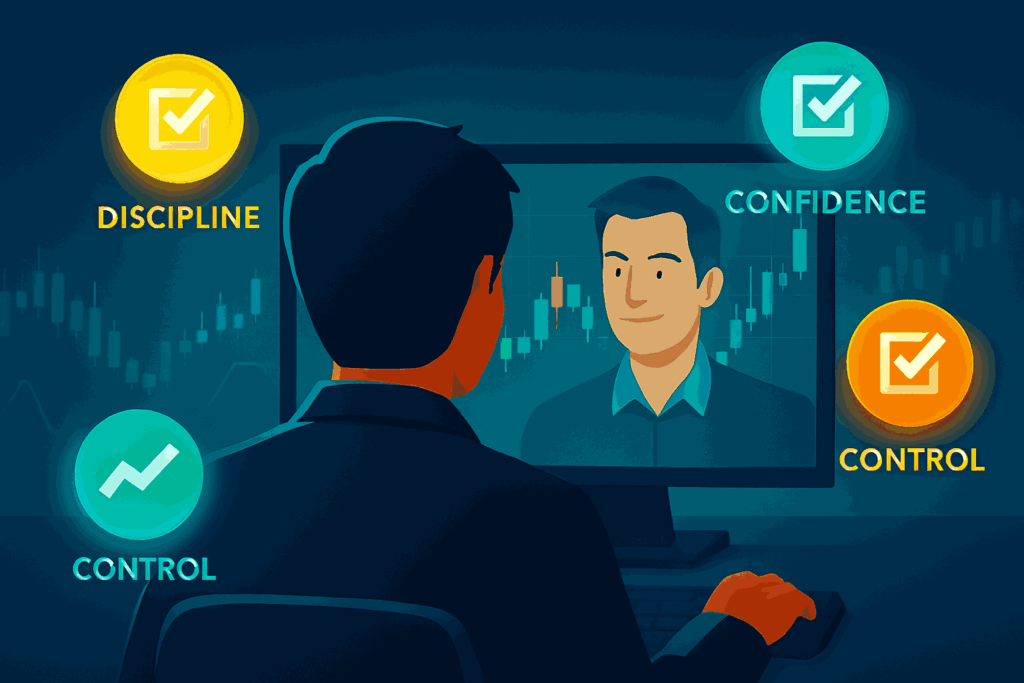
If left unchecked, triggers can lead to poor decision-making and repeated mistakes. By identifying them, you:
- Gain better control over your emotions.
- Stick to your trading plan with discipline.
- Reduce costly mistakes caused by overtrading or panic.
- Build resilience and confidence as a trader.
Steps to Identify Your Trading Triggers
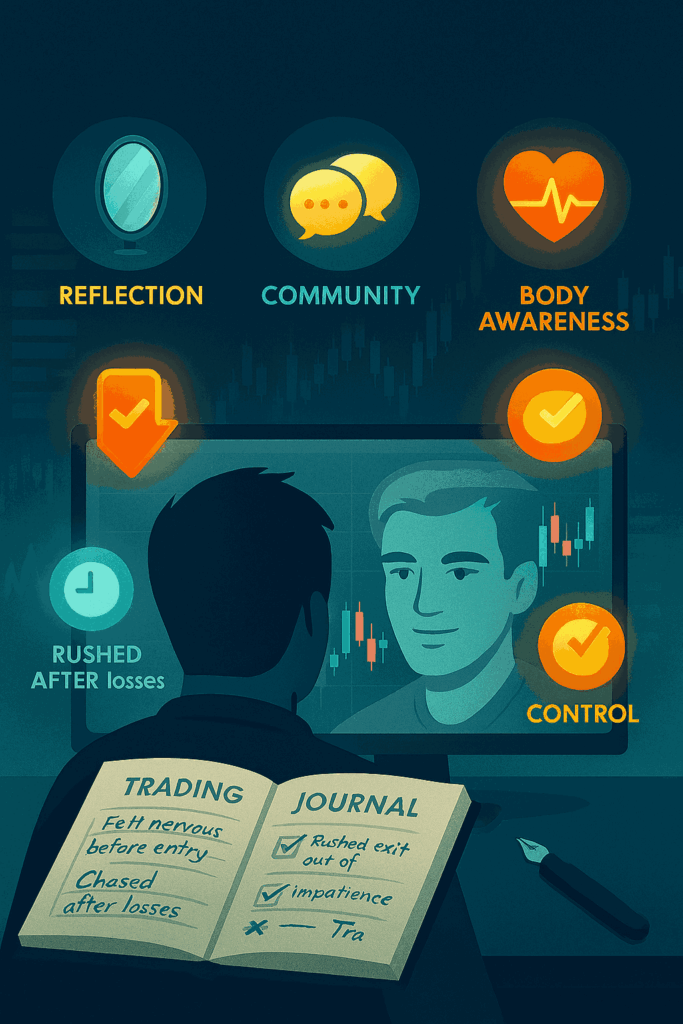
1. Keep a Trading Journal
Record not only your trades but also your thoughts and emotions before, during, and after each trade. Over time, patterns will emerge.
2. Reflect on Past Mistakes
Review losing trades and ask yourself:
- What was I feeling before I entered?
- Did I act out of fear, greed, or impatience?
- Was this trade part of my plan or an emotional reaction?
3. Monitor Physical Signs
Your body often reacts before your mind does. Sweaty palms, a racing heartbeat, or restlessness can signal you’re being triggered.
4. Seek Feedback
Sometimes others can spot patterns we miss. If you’re part of a trading community, share your challenges and ask for feedback.
How to Manage Your Trading Triggers
🧘♂️ Develop Emotional Awareness
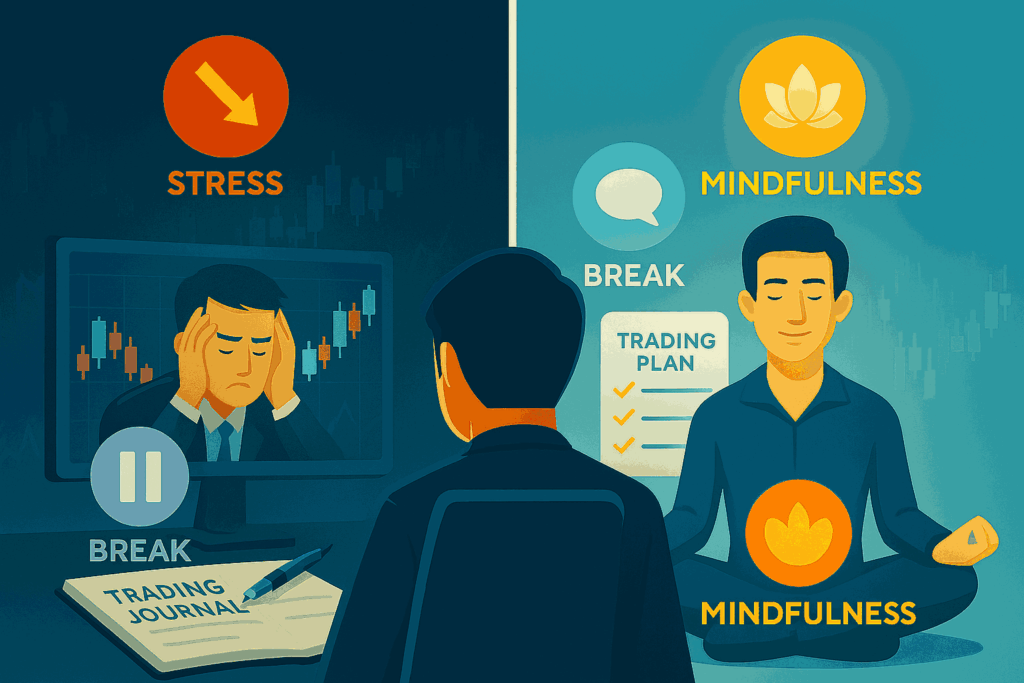
Practice mindfulness and meditation to improve self-control. The more aware you are of your state, the easier it is to pause before acting.
📊 Stick to Your Plan
A solid trading plan serves as a shield against impulsive decisions. Rely on rules, not emotions.
⏸️ Take Breaks
If you feel overwhelmed, step away from the charts. A short break can prevent a costly mistake.
🧠 Reframe Mistakes
Instead of beating yourself up for being triggered, view it as feedback to improve your discipline.
Conclusion
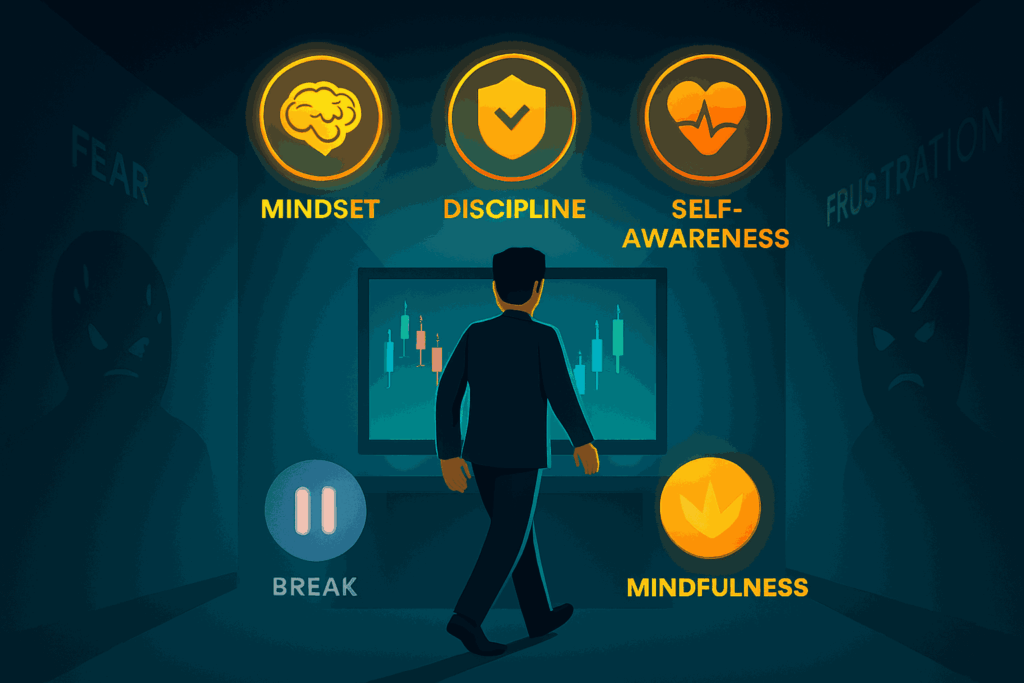
Every trader has triggers, but successful traders learn to recognize and manage them. By staying self-aware, sticking to your plan, and practicing discipline, you can prevent emotional reactions from dictating your trading future. Remember, mastering your triggers is just as important as mastering technical or fundamental analysis.
FAQs
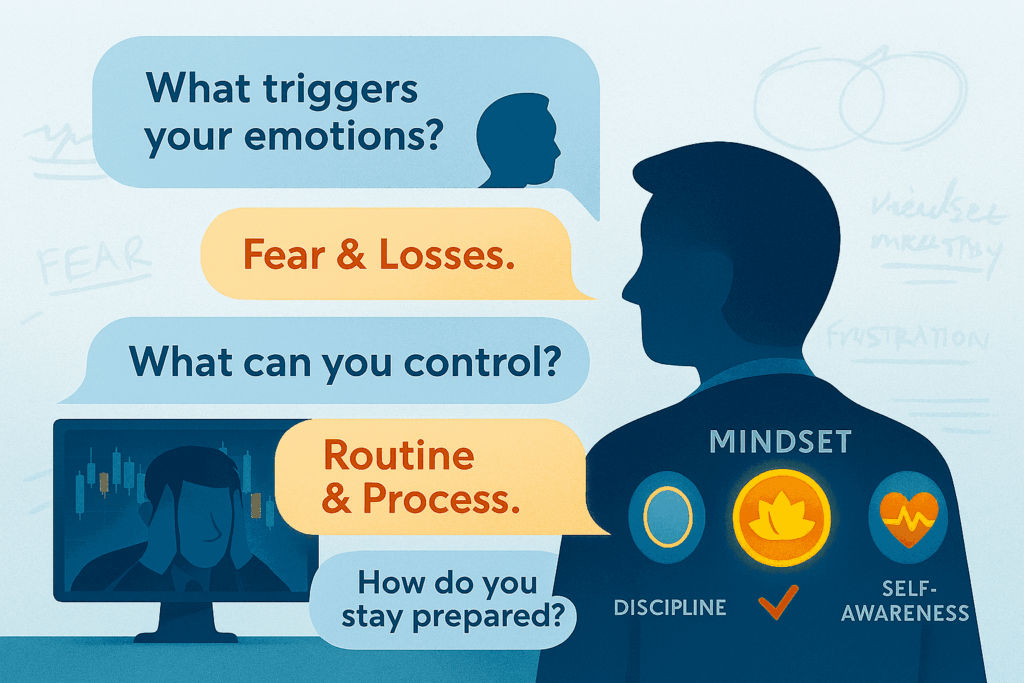
Q1: Can triggers ever be positive?
Yes. Some triggers, like sticking to a routine or seeing a chart pattern you’ve mastered, can reinforce good habits.
Q2: How long does it take to control triggers?
It varies by person. With consistent journaling and mindfulness, many traders start noticing improvements within a few weeks to months.
Q3: Should I stop trading if I feel triggered?
If emotions are running high, it’s often wise to pause and return later with a clearer mindset.
👉 Start your journey today—subscribe to our forex pip tips service and see the difference for yourself! Sign Up to get Exclusive Offers