Why Emotional Agility is Key for Successful Trading
Posted On - October 18, 2025 | By - FXProfitBuilder | Categories - Forex Trading Psychology
Introduction
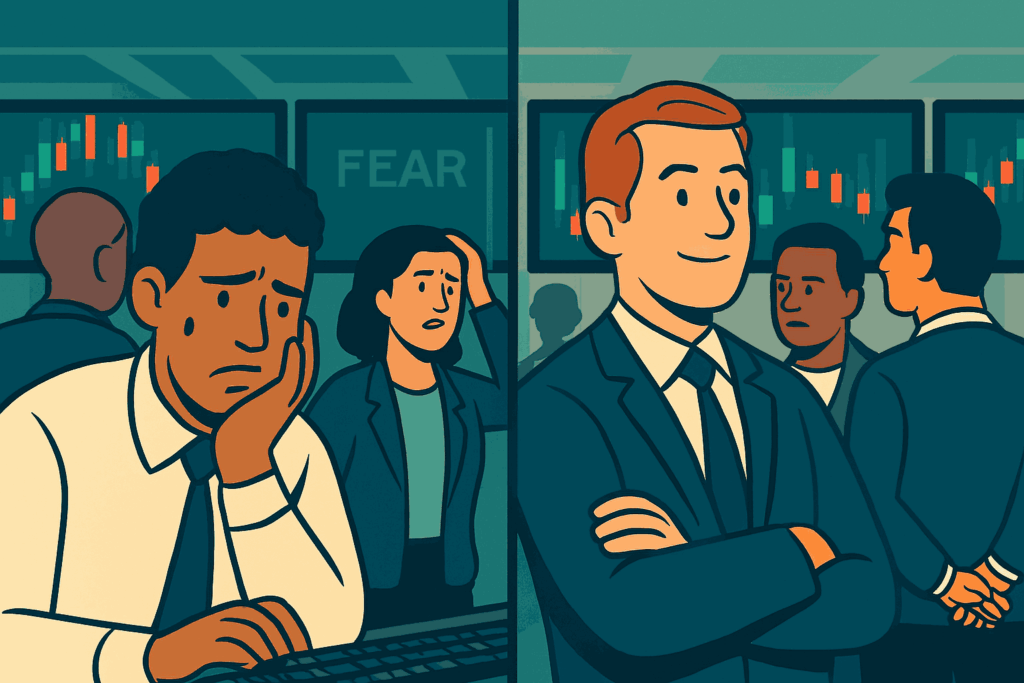
Forex trading isn’t just about numbers and charts, it’s about emotions, reactions, and mindset. The traders who rise above the rest are not those who avoid emotions, but those who manage them effectively. This ability to recognize, understand, and adapt to emotions in real time is known as emotional agility and it’s one of the most underrated skills in successful trading.
What is Emotional Agility?
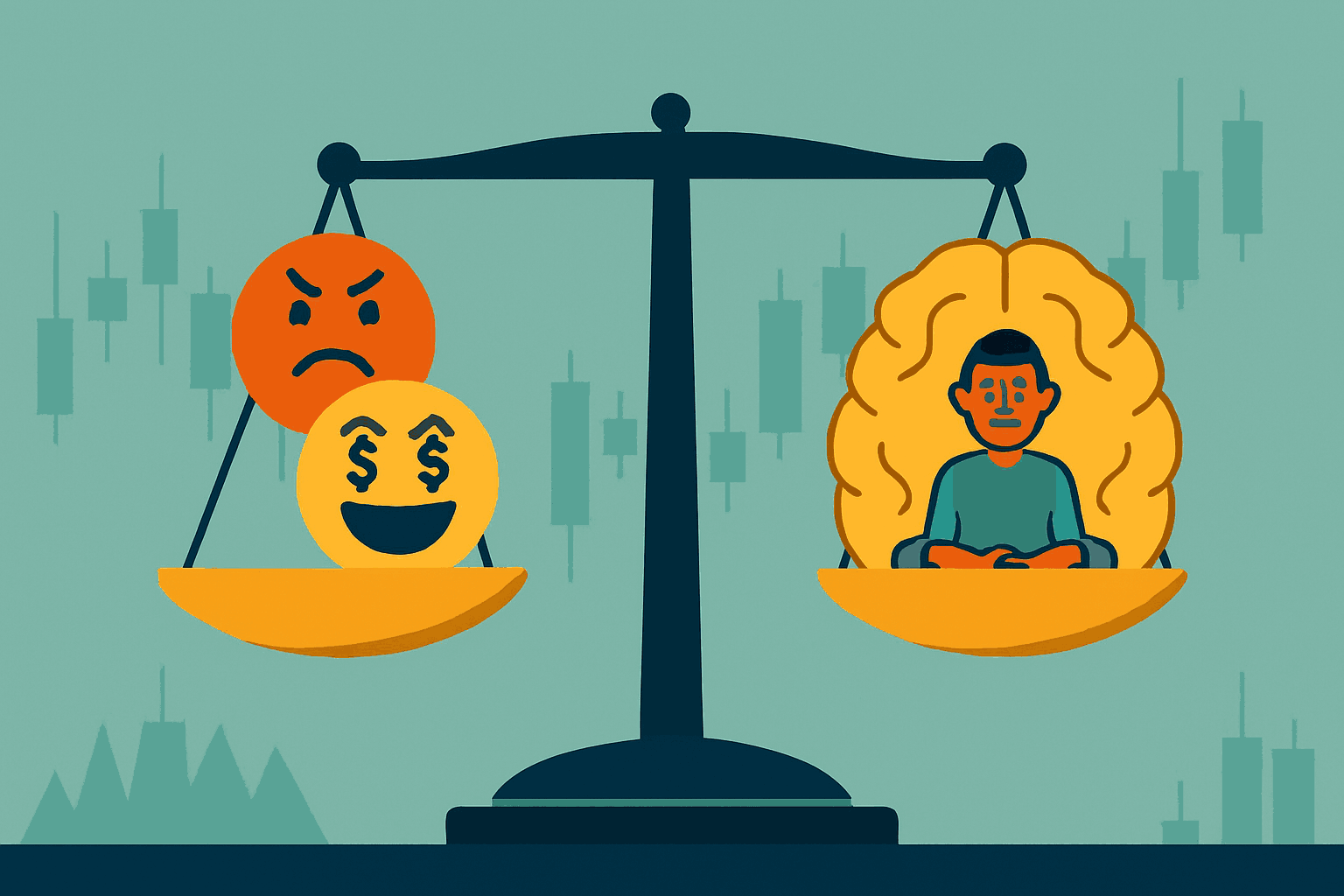
Emotional agility is the capacity to stay flexible with your thoughts and emotions so you can respond to market situations productively instead of reactively.
In simple terms, it’s the difference between a trader who panics when the market drops and one who calmly follows their plan.
Traders with emotional agility:
- Recognize emotions without being controlled by them.
- Accept uncertainty without fear.
- Adapt strategies when market conditions change.
- Maintain composure under pressure.
Why Emotional Agility Matters in Forex Trading
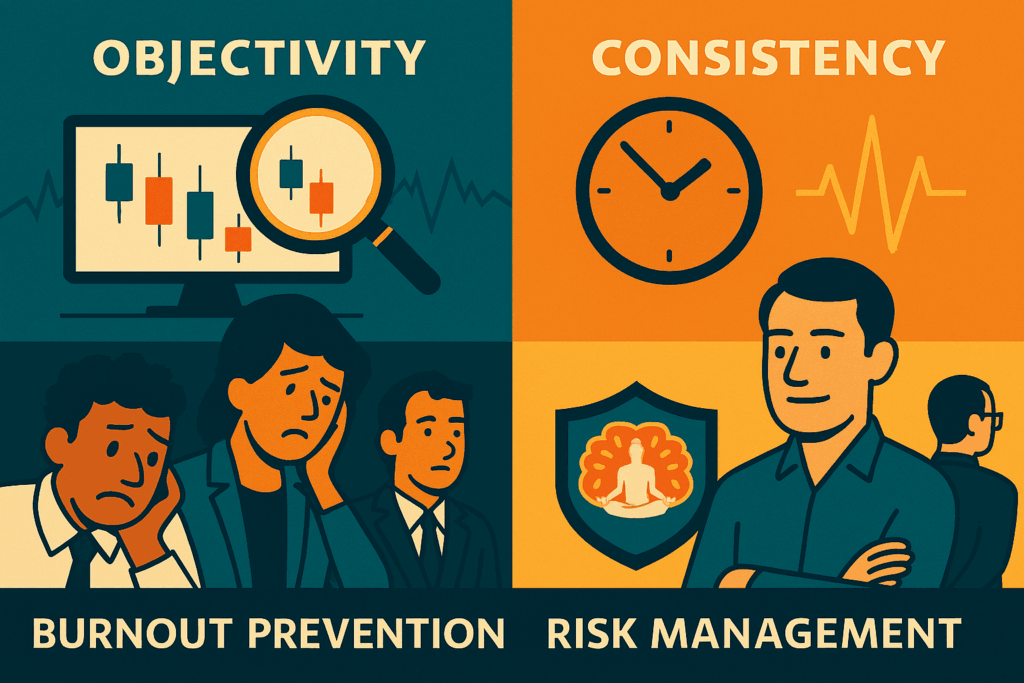
1. Helps You Stay Objective
When emotions take over, traders tend to see what they want to see instead of what the data shows. Emotional agility helps you view the market clearly and make fact-based decisions.
2. Builds Consistency
Emotionally agile traders follow their strategy even during high volatility, reducing impulsive entries and exits that erode consistency.
3. Prevents Burnout
By understanding emotional patterns, traders learn to take healthy breaks, avoid overtrading, and sustain focus over the long run.
4. Improves Risk Management
Calm and flexible thinking supports smarter position sizing, stop-loss placement, and portfolio balance.
How to Develop Emotional Agility as a Trader

🧘 1. Acknowledge Your Emotions
Instead of suppressing feelings like fear or greed, notice them without judgment. Awareness is the first step to control.
🧠 2. Practice Mindful Trading
Take a few deep breaths before major decisions. This slows your reaction and allows your logical mind to take charge.
📝 3. Journal Emotional Patterns
Write down your feelings during trades, what triggered them, and how they affected your results. Patterns will emerge, revealing where your control falters.
🎯 4. Focus on Process, Not Outcome
Shift your focus from winning individual trades to executing your system correctly. The process creates consistency; the results will follow.
💬 5. Reframe Negative Emotions
Losses don’t define your ability; they’re feedback for growth. Use frustration as fuel to refine your plan, not to chase revenge trades.
The Benefits of Emotional Agility
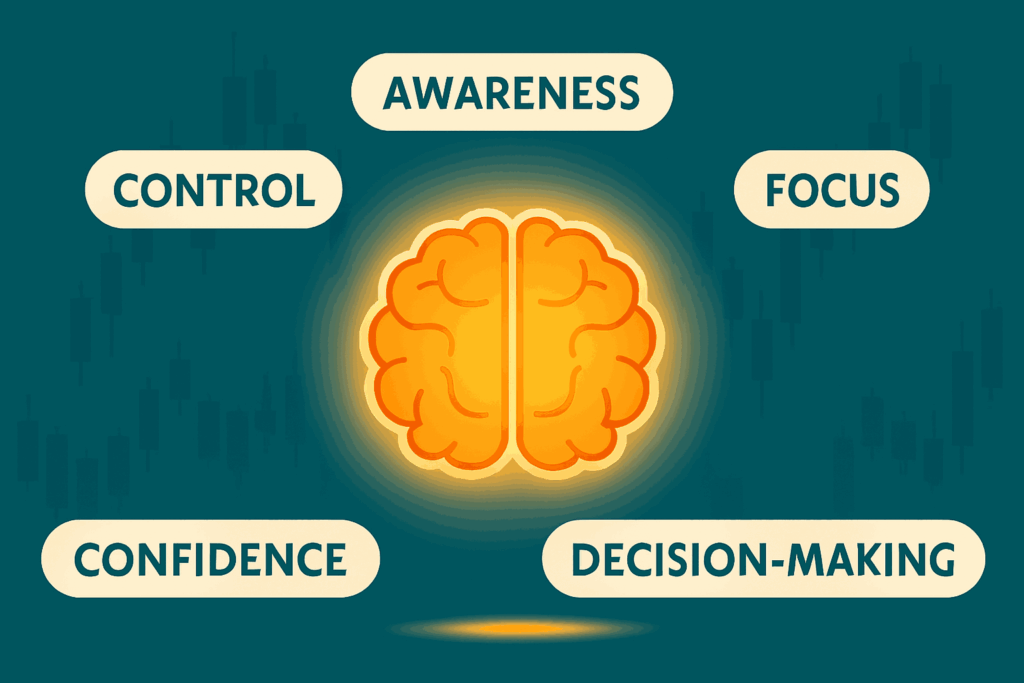
- Greater emotional control and self-awareness.
- Improved decision-making during volatility.
- Reduced stress and mental fatigue.
- Increased trading confidence and performance stability.
Conclusion
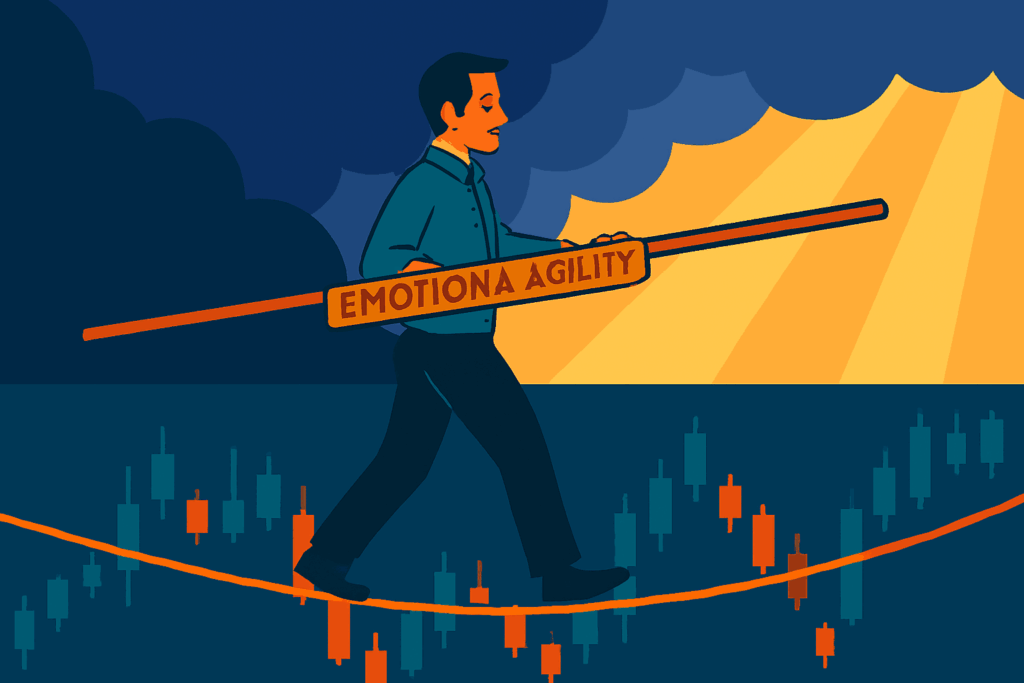
Emotional agility transforms trading from a reactive battle into a mindful discipline. By learning to observe emotions without acting on them, you gain control over your trades, your mindset, and ultimately your results. The market will always be unpredictable, but your reactions don’t have to be.
FAQs

Q1: Can emotional agility be learned?
Absolutely. Through mindfulness, journaling, and consistent practice, any trader can strengthen emotional agility over time.
Q2: How is emotional agility different from discipline?
Discipline is about sticking to rules; emotional agility is about handling emotions that try to break those rules. Both are essential for success.
Q3: What’s the biggest threat to emotional agility?
Ego and overconfidence. When traders believe they’re immune to emotions, they stop monitoring them and that’s when mistakes happen.
👉 Start your journey today—subscribe to our forex pip tips service and see the difference for yourself! Sign Up to get Exclusive Offers