Red Flags: How to Spot a Forex Signals Scam
Posted On - October 16, 2026 | By - FXProfitBuilder | Categories - Choosing & Buying Signals (High Intent)
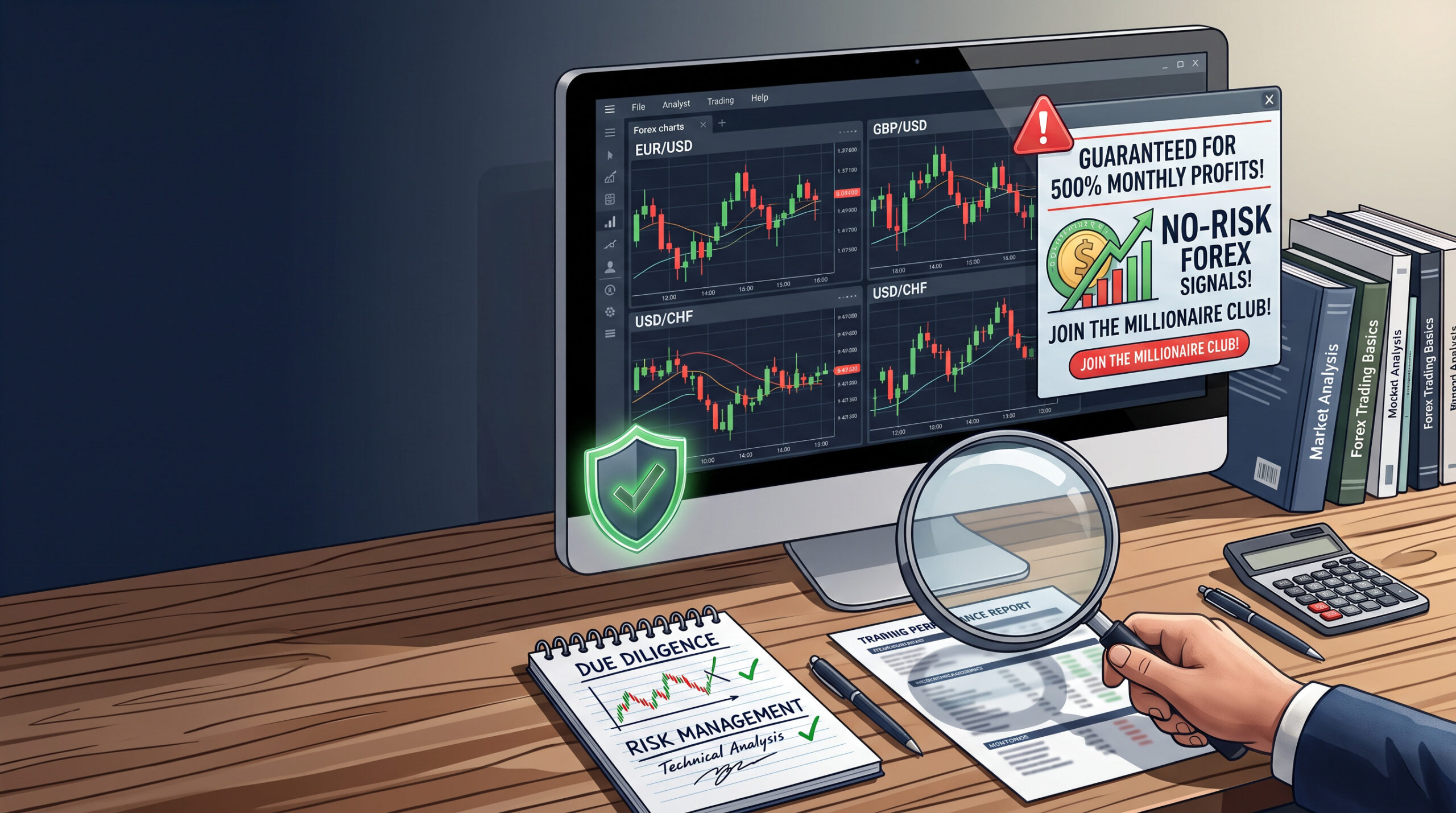
Introduction
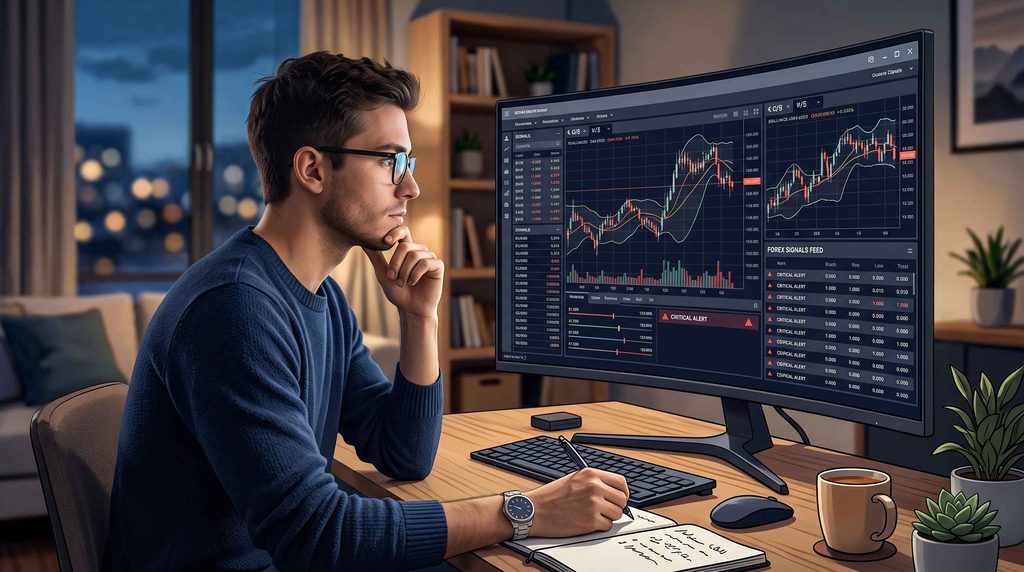
Forex signals can help traders identify potential trading opportunities, but not every signal provider is trustworthy.
For beginners, choosing a Forex signals service can be confusing. A provider might display impressive profit screenshots, advertise a high win rate, share testimonials from happy customers or promise that its system makes trading easy. At first glance, everything may look professional.
Unfortunately, a polished website or convincing social media account does not prove that a provider is genuine.
Some fraudulent operators use unrealistic profit promises, fabricated trading results, pressure tactics and misleading claims to convince people to pay for a service or deposit money into a trading account. The UK Financial Conduct Authority (FCA) warns that forex scams can involve promises of very high or guaranteed returns, fake firms and websites that imitate legitimate businesses.
That is why it is important to know how to spot a Forex signals scam before subscribing or risking your money.
In this guide, we’ll explore the biggest warning signs, explain how to check a signal provider, and share practical steps you can take to protect yourself.
What Is a Forex Signals Scam?
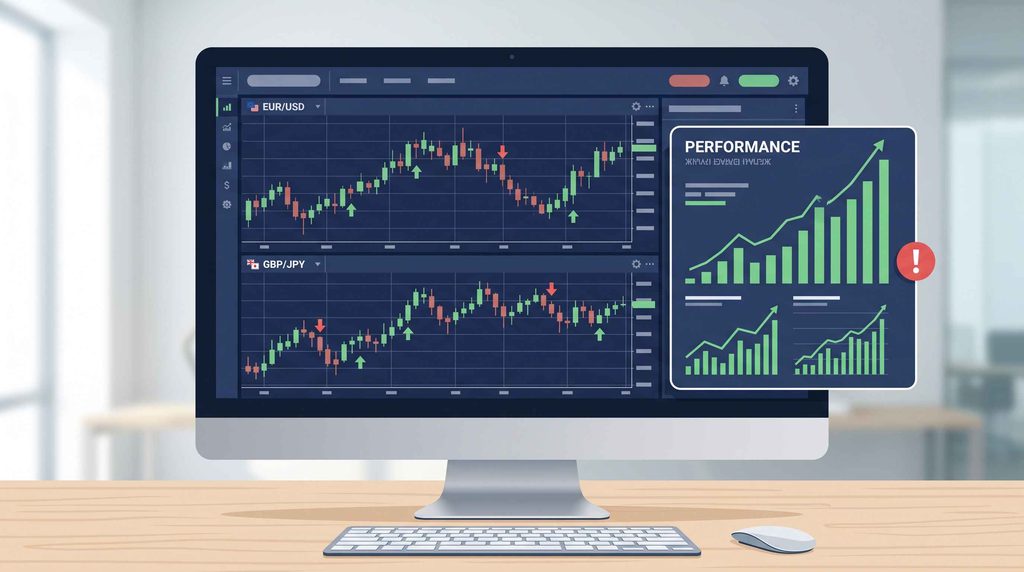
A Forex signals scam involves misleading or fraudulent activity connected to a service that claims to provide trading alerts, strategies or recommendations.
A legitimate signals service generally provides information about potential trades, such as the currency pair, entry level, stop-loss level and take-profit target. A scam operation may use similar terminology while making deceptive claims about its performance, hiding important costs or trying to obtain money through dishonest means.
Examples of suspicious activity include:
- Promising guaranteed trading profits.
- Advertising unrealistic returns with little or no risk.
- Publishing fabricated trading records.
- Pressuring subscribers to deposit more money.
- Directing customers to questionable brokers.
- Hiding subscription costs or making cancellation difficult.
- Claiming to have regulatory approval that it does not possess.
One important distinction: a losing signal does not automatically mean the provider is a scam. All trading strategies can experience losses. The concern is whether the provider is honest about its methods, risks, results and business practices.
1. Guaranteed Profits and Risk-Free Trading Claims
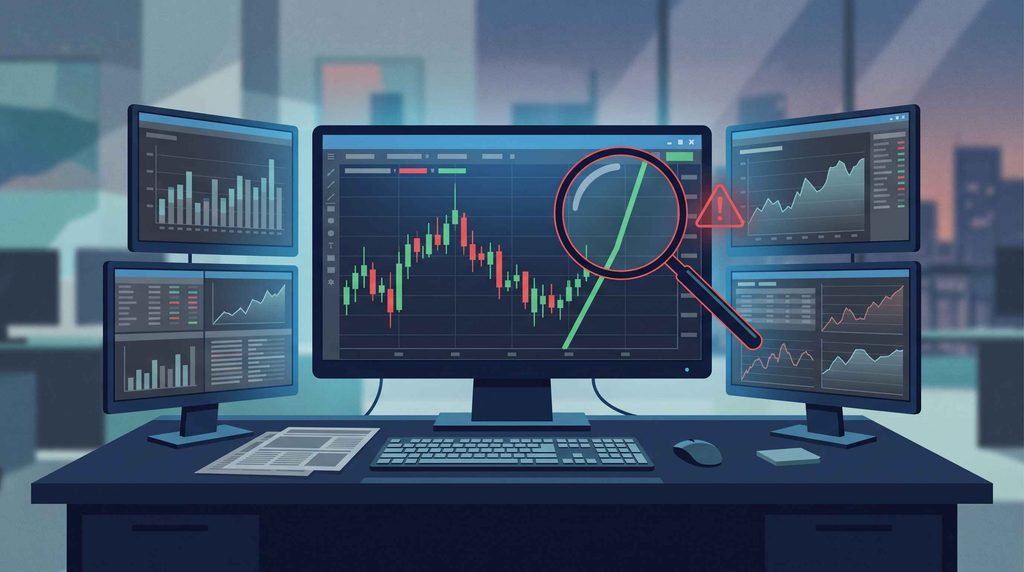
This is one of the clearest warning signs.
Be extremely cautious if a Forex signals provider claims:
- Every signal is profitable.
- Losses are impossible.
- You will earn a guaranteed monthly income.
- Your account will grow by a fixed percentage every week.
- You can double your money without meaningful risk.
- Its system predicts every market movement accurately.
Forex markets are affected by economic data, interest-rate decisions, geopolitical developments, liquidity and unexpected events. Even a well-designed trading strategy can lose money.
The Commodity Futures Trading Commission (CFTC) warns that no technology can consistently predict the future and advises traders to be sceptical of promises of unusually high or guaranteed returns.
A genuine provider should communicate risk honestly rather than suggesting that losses cannot happen.
2. Fake Profit Screenshots and Unverified Results
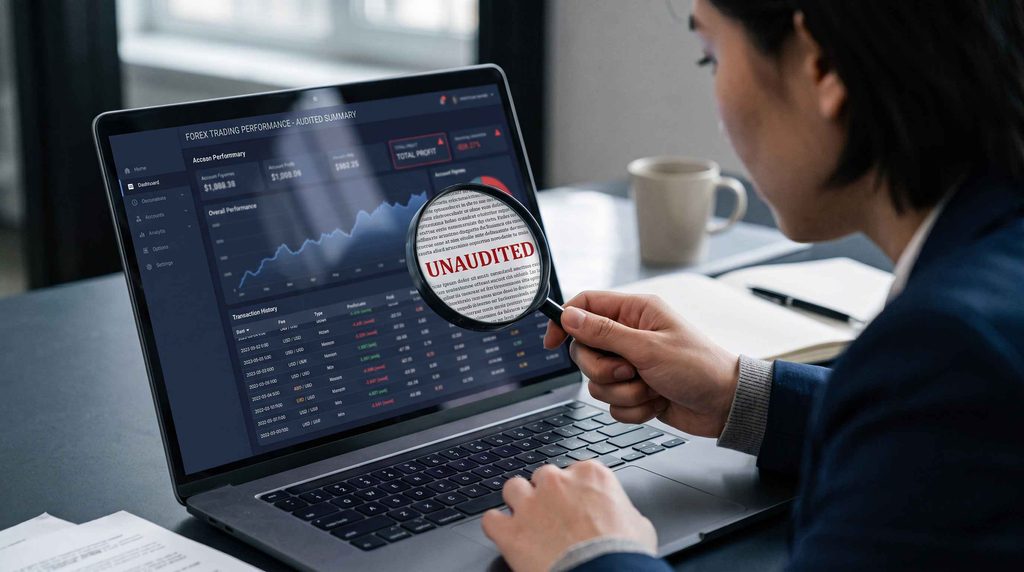
Screenshots showing large profits are common in online trading promotions.
A provider might display an account balance that has increased dramatically or share images of successful trades with captions claiming exceptional returns.
But a screenshot alone proves very little.
It may show only a small selection of winning trades. It may exclude losing positions, open trades, fees, spreads or account withdrawals. In some cases, the images may be edited or may not represent genuine live trading.
Before trusting performance claims, ask:
- Are both winning and losing trades included?
- Is the performance record complete?
- Does it distinguish live results from demo or hypothetical results?
- Are spreads, commissions and other costs considered?
- Is the record independently verified?
- Does it show the relevant period and drawdowns?
A provider that refuses to explain how its results were calculated deserves further scrutiny.
Remember: attractive screenshots are marketing material, not proof of long-term performance.
3. Pressure to Subscribe Immediately
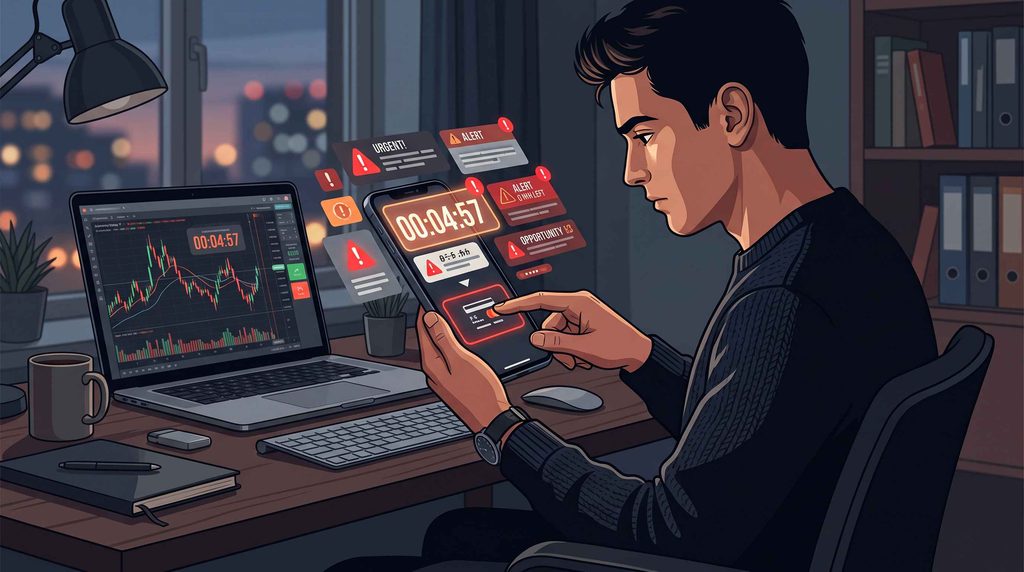
Scammers often try to stop potential customers from thinking carefully.
You might receive messages such as:
- “Join within the next 10 minutes.”
- “This guaranteed strategy is available only today.”
- “Pay now or lose your opportunity forever.”
- “Only three profitable slots remain.”
- “Send the money immediately to secure your returns.”
Limited-time discounts can be legitimate, but pressure tactics become concerning when they discourage basic checks or use fear of missing out to rush financial decisions.
The FCA identifies unexpected contact, pressure to act quickly and offers that sound too good to be true as warning signs of potential scams.
Take your time. Research the provider, read the terms and understand the risks before making a payment.
4. No Clear Explanation of the Trading Method
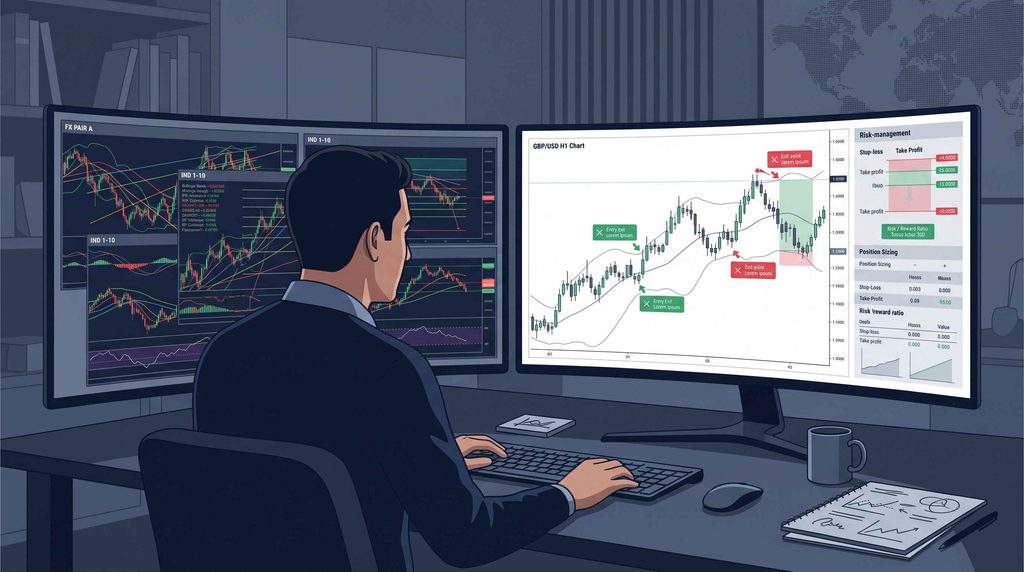
A Forex signals provider does not necessarily have to publish every detail of its proprietary strategy. However, it should be able to explain the service it offers in understandable terms.
Be cautious if a provider repeatedly refers to a “secret algorithm” or “special institutional system” but cannot explain even the basic process behind its signals.
Useful questions include:
- Which currency pairs does the service cover?
- How are potential trading opportunities identified?
- Does each signal include an entry level?
- Is a stop-loss level provided?
- How are take-profit targets communicated?
- How are signal changes or cancellations handled?
- What risk-management principles should subscribers understand?
If the provider avoids every reasonable question, consider whether you have enough information to make an informed decision.
5. A Very High Win Rate With No Supporting Evidence
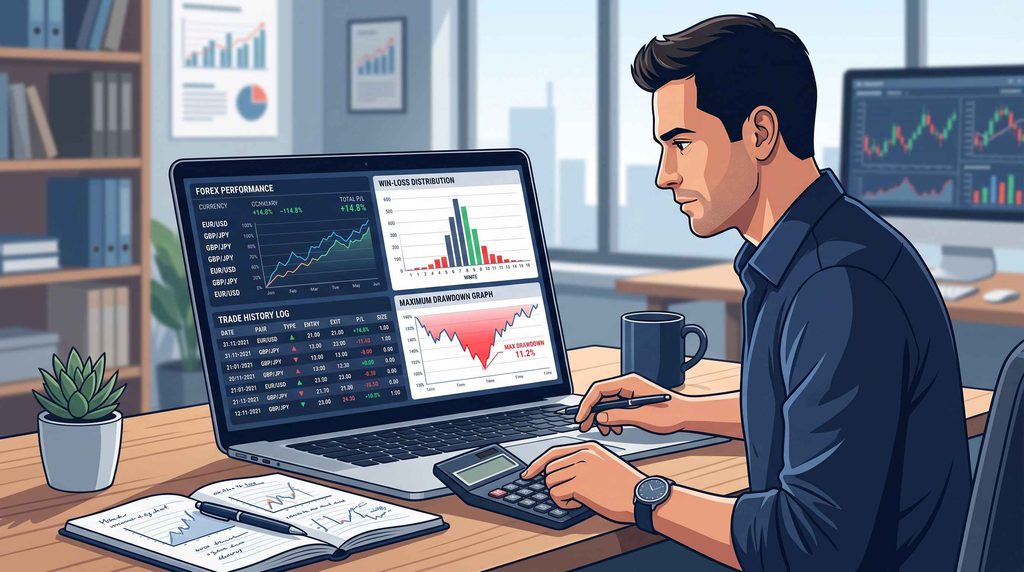
Some signal providers advertise win rates of 95%, 98% or even 100%.
A high percentage can sound impressive, but the number means little without context.
For example, a system might record many small winning trades while allowing a few much larger losses. Another provider might calculate its win rate using a limited selection of trades rather than a complete record.
To evaluate performance properly, you need more than a single percentage.
Look for information about:
- The number of trades included.
- The period being measured.
- Average winning trade versus average losing trade.
- Maximum drawdown.
- Trading costs.
- Whether the results are live or hypothetical.
- How open positions are treated in the calculations.
A high win rate does not automatically mean a strategy is profitable. Equally, a lower win rate does not automatically mean a strategy is unprofitable.
The full performance record and the risk involved matter much more than one promotional number.
6. Fake Testimonials and Celebrity Endorsements
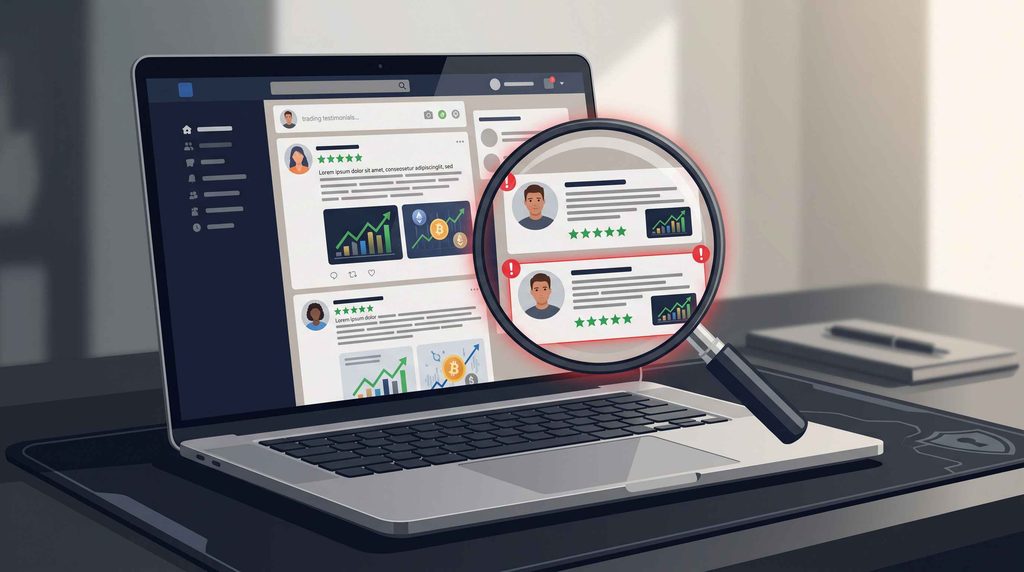
Testimonials can help potential customers understand a service, but they are not reliable evidence on their own.
Some questionable operations use fake profiles, copied photographs, fabricated customer stories or misleading celebrity endorsements to create credibility.
Warning signs include:
- Testimonials with no verifiable details.
- Identical comments posted by multiple accounts.
- Stock photographs presented as real customers.
- Videos that cannot be independently verified.
- Claims that ordinary users became wealthy almost overnight.
- Celebrity endorsements that do not appear on the celebrity’s official channels.
The FCA warns that online trading scams may use fake celebrity endorsements and images of luxury items to attract customers.
Do not base your decision on testimonials alone. Look for transparent service information, clear terms and credible evidence.
7. Hidden Fees and Unclear Subscription Terms
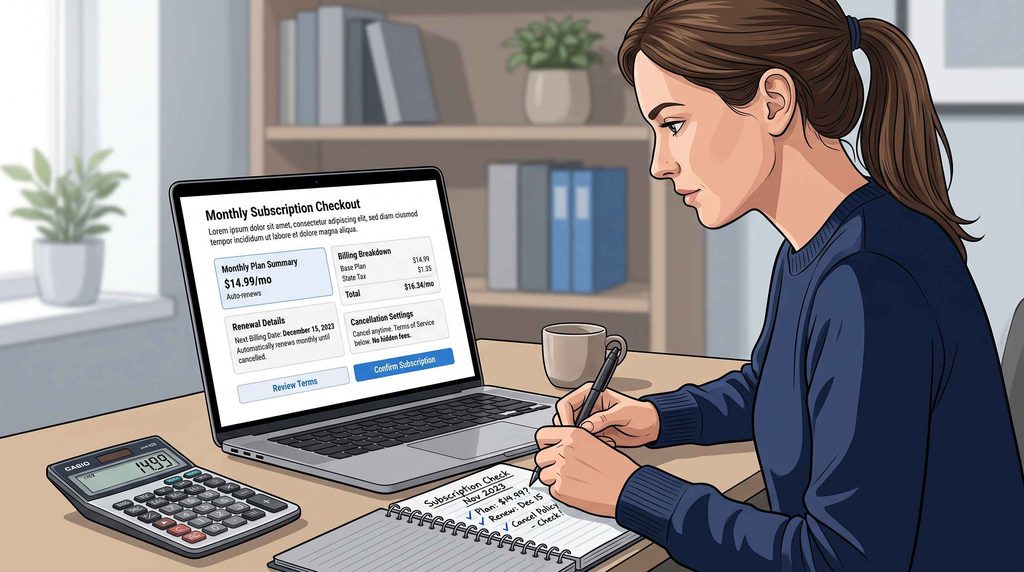
A Forex signals subscription may charge a fee for access to alerts, education or additional services. That is not inherently suspicious.
The problem arises when the provider hides the true cost or makes it difficult to understand what you are purchasing.
Before paying, check:
- The full subscription price.
- Whether the payment is recurring.
- The renewal date.
- Whether a free trial automatically converts to a paid plan.
- The cancellation process.
- Refund conditions.
- Whether there are additional charges.
- Whether the service requires a separate broker account.
Do not assume that a trial is free simply because the advertisement says so. Read the actual terms.
A transparent provider should make its pricing and subscription conditions reasonably easy to find.
8. Pressure to Use a Particular Broker
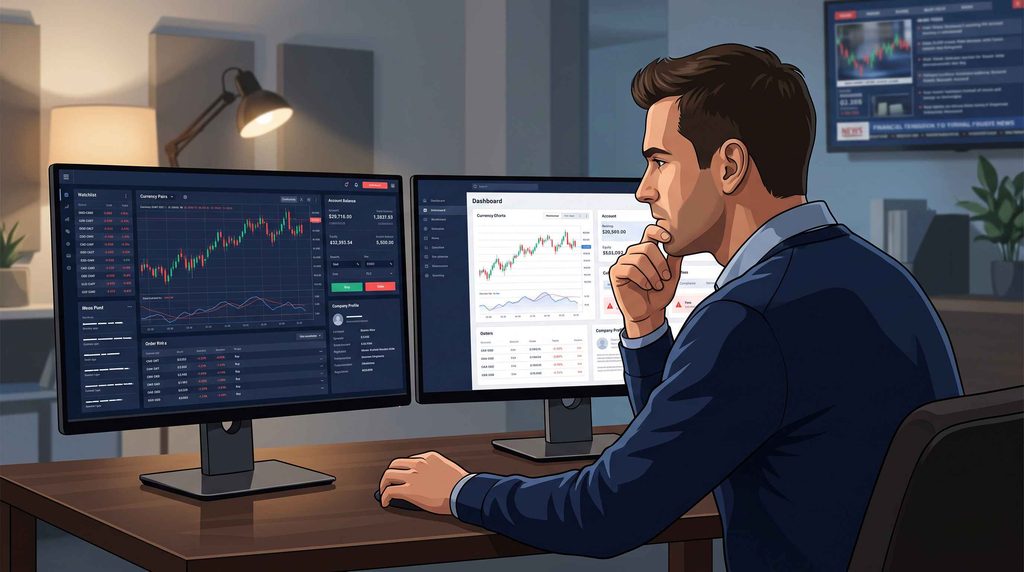
This warning sign deserves special attention.
Some signal providers may receive compensation for referring customers to particular brokers. Referral arrangements are not automatically fraudulent, but the relationship should be understood and disclosed where appropriate.
Be cautious if a provider:
- Insists that you use an unfamiliar broker without explaining why.
- Promises profits only if you deposit through a particular link.
- Pressures you to deposit more money to unlock signals.
- Asks you to transfer money directly to an individual’s account.
- Claims you must pay extra to withdraw your trading profits.
- Directs you to a broker whose identity or regulatory status cannot be verified.
Do not assume that a signal provider and a broker are the same business. Check each separately.
Where a broker claims to be regulated, use the relevant regulator’s official register and verify the website, contact information and permissions. In the UK, the FCA Firm Checker helps consumers check whether a firm is authorised and permitted to provide the relevant services.
9. No Verifiable Business Information

A website may look professional while providing very little information about the organisation behind it.
Look for:
- A clear business name.
- Working contact details.
- Understandable service terms.
- Privacy and payment information.
- A clear description of what is being sold.
- Relevant regulatory disclosures where applicable.
Be particularly careful if the business gives an address that cannot be verified, uses contact details belonging to another firm, or claims to be authorised without matching records.
The FCA warns about “clone firms” that copy the names, registration details and addresses of legitimate businesses while substituting their own contact information.
Do not rely only on a registration number or logo displayed on the provider’s own website. Verify the information independently.
10. Requests for Cryptocurrency or Direct Transfers
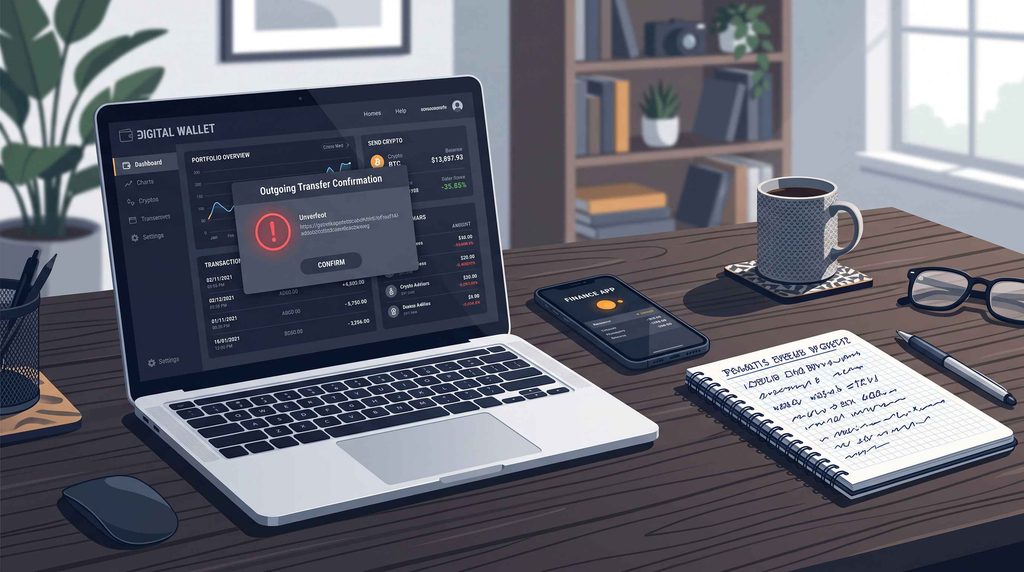
Be cautious if a provider insists that you pay only in cryptocurrency, transfer funds to a personal wallet or send money to an unrelated individual’s account.
Cryptocurrency payments can be difficult or impossible to reverse, depending on the circumstances.
The CFTC lists demands for cryptocurrency payments among the warning signs to watch for when evaluating suspicious forex offers.
A payment method alone does not prove fraud, but unusual payment arrangements combined with guaranteed returns, pressure tactics or unverifiable business information should make you stop and investigate.
Never share your banking password, card PIN, exchange password or one-time authentication code with a signal provider.
11. Claims of Official Approval Without Proof

A provider may claim that it is “government approved”, “fully licensed” or “officially certified”.
These terms can be misleading if the company cannot identify the relevant regulator, explain what the approval covers or provide verifiable details.
Also, not every signal service has the same regulatory obligations. The applicable rules depend on the country, the services being offered and the business model.
For that reason, avoid assuming that every signals provider must have identical licences. Instead, establish what the provider actually does and check the applicable requirements with the relevant regulator.
If a company claims UK financial-services authorisation, verify its details through the official FCA Firm Checker or Financial Services Register. Make sure the contact details and permitted activities match the company you are dealing with.
12. Requests for Remote Access to Your Device

A signal provider generally should not need your online banking credentials or unrestricted access to your computer to send trading alerts.
Be very careful if someone asks you to install remote-access software, share your screen while logging into financial accounts, reveal authentication codes or give them control of your trading account.
Remote access can expose sensitive information and allow unauthorised transactions.
Never provide account credentials simply because someone claims they need them to configure signals.
If technical assistance is genuinely required, understand exactly what access is being requested and use secure, limited permissions wherever possible.
13. Claims That You Must Deposit More to Recover Losses

Another concerning pattern is pressure to increase your trading capital after losses.
A provider might say that your account needs a larger balance to recover previous losses or that you must upgrade to a premium service to access “recovery signals”.
No additional deposit can guarantee that previous losses will be recovered.
Avoid increasing your position size or depositing more money because someone promises to fix your trading results.
If you have already lost money, stop and reassess your situation rather than making another payment under pressure.
14. A Second Scam Promising to Recover Your Money
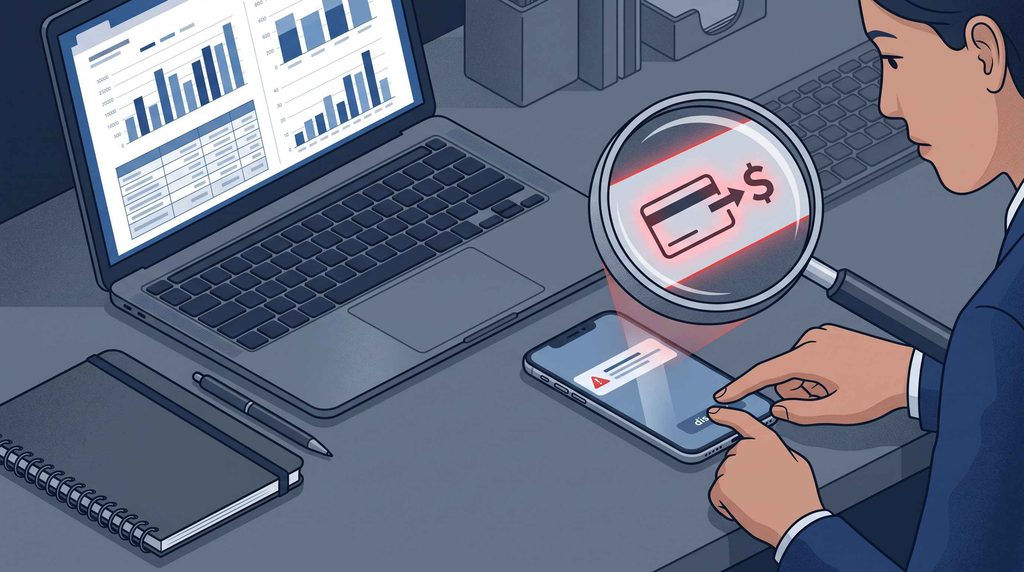
Unfortunately, losing money to a suspected scam can make you a target for another one.
A person may contact you claiming to be a recovery specialist, lawyer, regulator or investigator who can retrieve your lost funds.
They may demand an upfront fee, tax payment or administrative charge before releasing the money.
The FCA warns that people who have already been scammed can be targeted again by so-called recovery-room scams.
Be suspicious of anyone who guarantees recovery or asks for additional money before explaining a verifiable legal process.
Contact your bank, payment provider and relevant authorities through their official channels instead.
How to Check a Forex Signals Provider Before Paying

You do not need to be a professional trader to perform basic checks. A few careful steps can help you make a better-informed decision.
Step 1: Research the Provider Independently
Search the business name alongside terms such as “complaint”, “scam warning” and “refund”.
Read feedback critically. One negative review does not establish fraud, and a large number of positive reviews does not automatically establish legitimacy.
Step 2: Read the Website Carefully
Check the subscription price, service description, cancellation terms and risk disclosures.
Look for contradictions between what the advertisements promise and what the actual terms say.
Step 3: Ask About Performance Evidence
Ask whether the provider’s results are live, demo or hypothetical. Find out whether the record includes losing trades and trading costs.
Be cautious if the provider relies entirely on screenshots or refuses to explain its performance claims.
Step 4: Verify the Broker Separately
If the service recommends a broker, research that broker independently.
Use the official regulator’s register where applicable. Confirm the firm’s identity, website, contact details and permissions rather than relying on a link sent by the salesperson.
Step 5: Check the Payment and Cancellation Terms
Understand the total cost before providing payment details.
If a trial requires card information, check whether it renews automatically and how to cancel it.
Step 6: Never Rush
A genuine opportunity should withstand reasonable questions.
If a provider pressures you to pay immediately, refuse to let urgency replace research.
Step 7: Start With Observation or a Demo Account
If you decide to evaluate a signals service, consider observing its alerts or using a demo account first.
This can help you understand the format and workflow without immediately risking live trading capital. It does not, however, prove that the service will perform well in the future.
What to Do If You Think a Forex Signals Provider Is a Scam

If something seems suspicious, stop sending money while you investigate.
If you have already paid or shared sensitive information, take the following steps:
- Stop further payments. Do not send extra money to unlock withdrawals, recover losses or access promised profits.
- Contact your bank or payment provider. Explain what happened and ask whether the payment can be stopped, disputed or investigated.
- Secure your accounts. Change compromised passwords, revoke suspicious app access and enable multifactor authentication.
- Preserve evidence. Save messages, emails, transaction references, receipts, website details and screenshots.
- Report the incident. Contact the relevant financial regulator or law-enforcement agency in your jurisdiction. If the provider claims UK authorisation, you can consult the FCA’s reporting guidance.
- Beware of recovery offers. Do not trust unsolicited messages promising guaranteed recovery in exchange for an upfront fee.
The FCA provides guidance on reporting suspected scams and explains that people outside the UK should contact their local police and relevant regulator in the first instance.
How FXProfitBuilder Fits Into a Responsible Evaluation Process
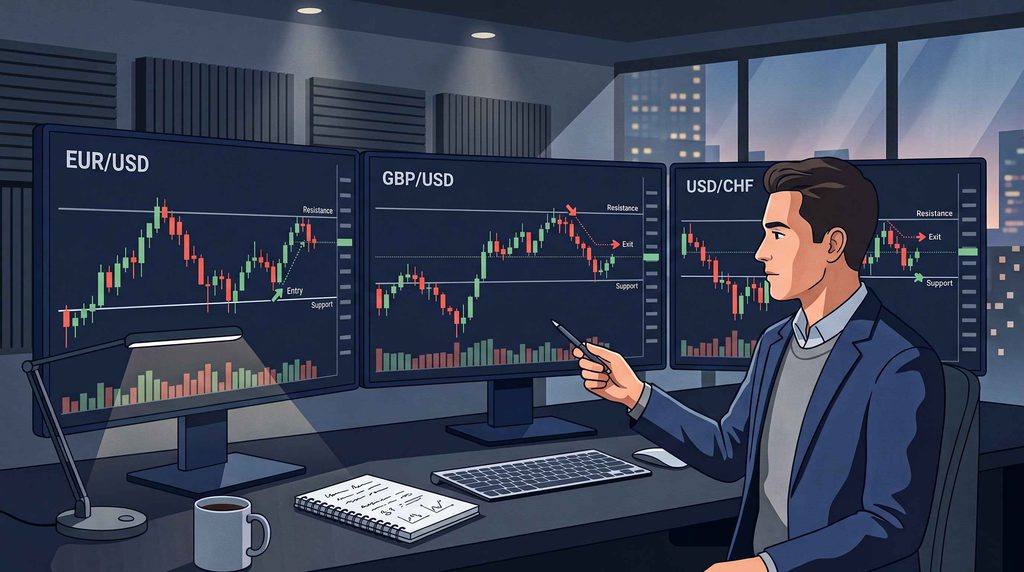
When considering any Forex signals service, including FXProfitBuilder, the best approach is to evaluate the actual service rather than relying only on marketing claims.
FXProfitBuilder provides signals for three currency pairs:
- EUR/USD
- GBP/USD
- USD/CHF
The company states that its signals are developed using volume indicators, support and resistance analysis and a mathematical model. Its alerts are intended to provide structured trading information, including entry and exit guidance, and can be followed manually or mechanically.
If you are evaluating FXProfitBuilder or another provider, consider the same questions:
- Do I understand what the service includes?
- Are the subscription terms clear?
- Do I understand how signals are communicated?
- Are the risks explained honestly?
- Can I independently evaluate the provider’s claims?
- Does the service fit my budget and trading needs?
- Am I making a decision based on evidence rather than pressure?
These questions are useful for evaluating any signal service. They should not be treated as proof for or against a particular provider.
The goal is to make an informed decision before committing money.
A Quick Forex Signals Scam Checklist
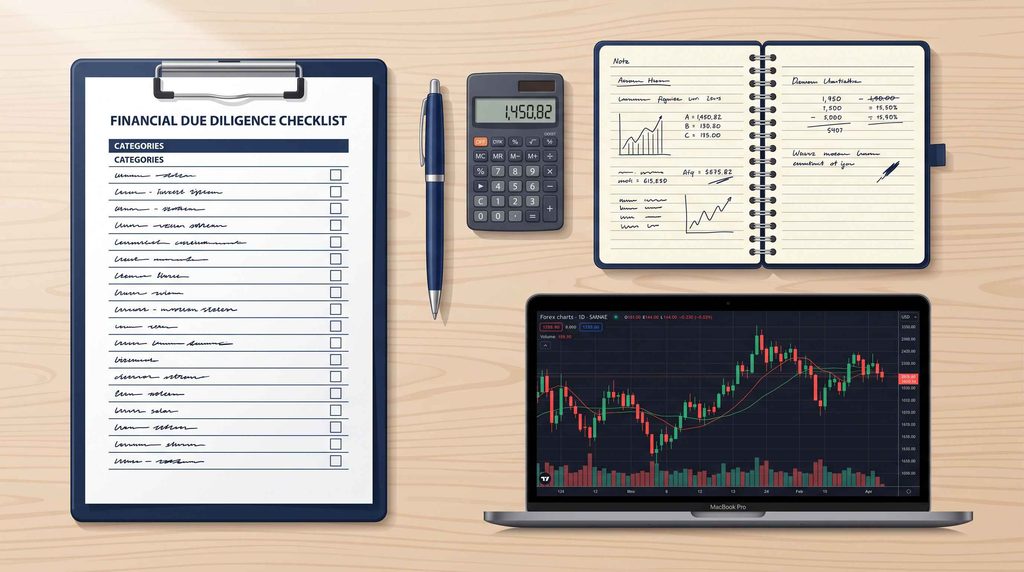
Before paying for a Forex signals subscription, review this checklist.
- The provider does not promise guaranteed profits.
- Performance claims have meaningful supporting information.
- The service and its limitations are clearly explained.
- Subscription costs and renewal terms are transparent.
- Cancellation terms are accessible.
- Any recommended broker has been checked independently.
- Regulatory claims have been verified where applicable.
- The provider does not pressure me to deposit immediately.
- I am not being asked to share passwords or authentication codes.
- I can afford the subscription without relying on future trading profits.
If several warning signs appear together, do not ignore them. Pause, investigate and avoid paying until you understand what is happening.
Final Thoughts

Forex signals can be useful for organising trading ideas, but choosing a provider requires more than looking at profit screenshots or reading promotional claims.
The biggest red flags include guaranteed returns, unexplained performance figures, aggressive sales tactics, hidden costs, unverifiable business details and pressure to deposit money with a particular broker.
A trustworthy evaluation process starts with independent research, clear questions and realistic expectations.
Remember that a signal provider cannot guarantee that a trade will be profitable. Even legitimate trading strategies can lose money, and no subscription removes the risks of the Forex market.
Before paying, understand exactly what you are buying, verify important claims and make sure the service fits your needs. If you suspect fraud, stop sending money and contact your payment provider and the appropriate authorities.
The safest decision is not necessarily to choose the provider with the biggest profit claims. It is to choose based on evidence, transparency and a clear understanding of risk.
FAQ
1. How can I tell if a Forex signals provider is a scam?
Look for warning signs such as guaranteed profits, unrealistic return claims, fabricated or unverified performance records, pressure to pay immediately, hidden fees and unverifiable business information. One warning sign alone may not prove fraud, but several together warrant serious caution.
2. Are Forex signals scams always obvious?
No. Some suspicious operations use professional websites, convincing testimonials and copied details from legitimate firms. Independently verify the business and its claims rather than relying on appearances.
3. Are guaranteed Forex profits possible?
No provider can guarantee future trading profits. Markets are uncertain, and even a sound strategy can experience losses. Be particularly cautious of services promising risk-free trading or fixed returns.
4. Can a high Forex signals win rate be fake?
Yes. A claimed win rate may be incomplete, misleading or unsupported. Ask for the period measured, number of trades, losing trades, drawdowns, trading costs and whether the results are live or hypothetical.
5. Does one losing signal mean a provider is fraudulent?
No. Losing trades are a normal possibility in Forex trading. More important concerns include dishonest performance claims, hidden terms, manipulation and deceptive payment practices.
6. Should I trust Forex signal providers on Telegram or WhatsApp?
Do not trust or reject a provider solely because it uses a messaging platform. Independently check its identity, claims, terms and payment arrangements. Be cautious of unsolicited messages, pressure tactics and guaranteed-return promises.
7. Should I pay for a Forex signals service in cryptocurrency?
Be especially cautious if cryptocurrency is the only accepted payment method or the payment goes to an unrelated personal wallet. Crypto transactions can be difficult to reverse. Investigate the provider and understand the payment risks before proceeding.
8. How do I check whether a Forex broker is regulated?
Identify the regulator relevant to the broker’s claimed jurisdiction and use its official register. Verify the legal name, website, contact details and permissions. For UK firms, use the FCA Firm Checker. A registration number copied onto a website is not enough.
9. What should I do if I have already paid a Forex signals scam?
Stop further payments, contact your bank or payment provider, secure any exposed accounts, preserve evidence and report the incident to the appropriate authorities. Be wary of people who promise to recover your money for an upfront fee.
10. Can a free trial prove that a Forex signals provider is legitimate?
No. A free trial can help you assess the service’s format and usability, but it does not prove that the business is legitimate or that its strategy will be profitable. Research the provider independently and read the trial terms carefully.
11. Are paid Forex signals always better than free signals?
No. A subscription price does not prove quality, reliability or profitability. Evaluate the service’s transparency, methodology, costs and risk information rather than assuming that paid signals are superior.
12. What is the most important rule when choosing a Forex signals service?
Never let the promise of profit replace independent verification. Understand the risks, verify important claims and never spend money you cannot afford to lose.
👉 Start your journey today—subscribe to our forex pip tips service and see the difference for yourself! Sign Up to get Exclusive Offers